Gearboxes and transmissions in the UAE: used, rebuilt, CVT and what the fluid decides
The quick answer
A used automatic gearbox for a common car typically costs AED 2,000 to 6,500 in the UAE, a CVT AED 2,500 to 7,000, a manual AED 1,500 to 4,500 and a European automatic AED 4,000 to 12,000 or more, with a rebuilt unit usually AED 1,500 to 3,500 above the used price and fitting adding AED 700 to 2,000. Those are indicative trade ranges rather than collected quotes. The three things that decide whether the replacement lasts are ordering against the transmission code on the case rather than the model name, using the exact fluid specification the manufacturer names, and managing heat, which is what kills continuously variable transmissions in this climate.
Ask a human · free · no account
Not sure which part fits your car?
Tell us the make, model and year — we check fitment and come back with prices from UAE sellers who have it on the shelf.
Free · usually a reply in minutes · no obligation
Key facts
- Used automatic gearboxes typically cost AED 2,000 to 6,500 for volume cars, CVTs AED 2,500 to 7,000, manuals AED 1,500 to 4,500, and European and truck automatics AED 4,000 to 12,000 or more. A rebuilt unit is commonly AED 1,500 to 3,500 above the used price and fitting adds AED 700 to 2,000. These are indicative trade ranges carried forward from this site's earlier gearboxes page, not a survey of quotes.
- A gearbox is ordered by the transmission code stamped or plated on the case together with the chassis number. The same model in the same year can carry a conventional automatic, a continuously variable transmission or a manual depending on engine and drive type, and a near-miss unit can bolt up and still shift wrongly or refuse to communicate with the car.
- Continuously variable transmissions run hot by design, and heat is what wears the belt and pulleys and degrades the fluid. Nissan's volume models of the 2013 to 2019 generations are the most visible cases here simply because so many of them are on UAE roads, and several other brands use transmissions from the same supplier.
- Transmission fluid is a specification, not a category. Nissan NS-2 and NS-3, Toyota WS and CVT Fluid, Honda DW-1 and HCF-2, ZF Lifeguard, Mercedes-Benz 236.14 and 236.15, Dexron VI, Mercon LV and Hyundai and Kia SP-IV are not interchangeable, and a universal fluid topped into a CVT is a common way to destroy a working transmission.
- Most failures a driver calls a gearbox problem are not the gears. Torque converter lock-up clutches, valve bodies, solenoids and mechatronic units account for a large share of automatic faults, and several are repairable without replacing the transmission.
- Reputable suppliers warranty used gearboxes for one to three months and rebuilds for three to six months, in writing on the invoice, conditional on professional fitting and on the correct fluid. Keep the fluid receipt, because a claim without proof of the right fluid rarely succeeds.
Rather fill in a form? Send the same request here and matched UAE suppliers reply on WhatsApp either way.
Open the request formGearboxes — types and specifications
- Conventional automatic
- Torque converter and planetary clutch packs
- CVT
- Steel belt or chain on variable pulleys, no fixed ratios
- Dual-clutch
- Two automated clutches, dry or wet
- Automated manual
- Manual gearbox with clutch and shift actuators
- Manual
- Clutch, release bearing, flywheel and synchros are the wear items
- Torque converter
- Often sold separately from the gearbox, so confirm
- Valve body
- The hydraulic control plate, frequently repairable in place
- Mechatronic unit
- Dual-clutch control assembly, replaced not bench-repaired
- Transfer case
- Four-wheel-drive split, often bought with the gearbox
- Differential
- Front, rear or centre, matched by ratio above all else
- Propshaft
- Centre bearing and universal joints mimic gearbox vibration
- Driveshaft
- Constant-velocity joints click on lock, not under load
- Auxiliary cooler
- The cheapest heat insurance after a CVT replacement
- Clutch kit
- Plate, cover and release bearing on a manual
What a gearbox costs in the UAE
Transmission prices vary more than engine prices, and the reason is that condition is harder to see. An engine can be cranked, listened to and compression-tested. A gearbox that worked when it was removed tells you almost nothing about the state of its clutches, its valve body or its fluid history, because all of that is sealed inside an aluminium case. That asymmetry is why the warranty and the supplier's reputation are worth more here than a few hundred dirhams of price difference.
The ranges below are indicative bands carried forward from this site's earlier gearboxes page. They are the shape of the market rather than the price of your unit, and we do not currently hold enough of our own quote data to publish a dated survey instead.
| Type | Used (AED) | Rebuilt (AED) | Notes |
|---|---|---|---|
| Conventional automatic, Japanese and Korean | 2,000 to 6,500 | 4,000 to 9,000 | Deepest supply |
| CVT (Nissan, Mitsubishi, Honda and others) | 2,500 to 7,000 | 4,500 to 10,000 | Supplier reputation is the whole purchase |
| Manual | 1,500 to 4,500 | 3,000 to 6,500 | Cheapest and most durable |
| European automatic (ZF, 7G and 9G, DSG) | 4,000 to 12,000 or more | 7,000 to 16,000 or more | Consider a specialist rebuild including the valve body |
| Four-wheel-drive transfer cases | 1,500 to 5,000 | Usually rebuilt to order | Often bought used alongside the gearbox |
These are UAE market ranges. The price for your car depends on the model, the year and which brand you fit.
Get the exact priceThe five kinds of gearbox sold here, and what goes wrong with each
Almost every transmission complaint in this market belongs to one of five families, and the family decides both the failure mode and whether replacement is the right answer.
The conventional automatic uses a torque converter and a planetary gearset with hydraulically applied clutch packs. It is the most repairable of the five, the most tolerant of neglect, and the one with the deepest used supply. Its usual faults are worn friction material contaminating the fluid, a sticking solenoid or a worn valve body producing harsh or delayed shifts, and torque converter lock-up shudder that feels exactly like a misfire at light throttle.
The continuously variable transmission uses a steel belt or chain running between two variable-diameter pulleys, with no fixed ratios at all. It is efficient and smooth and it is the least tolerant of heat and of the wrong fluid. Its failure signature is a shudder from a standstill, a whine that rises with road speed rather than with engine speed, and eventually a limp mode that holds a fixed ratio.
The dual-clutch transmission is a pair of automated manual gearboxes sharing a housing, with either dry or wet clutches. Dry-clutch units are the ones with a reputation in hot, congested traffic, because the clutch is the thing absorbing the heat of every crawl-forward. The typical faults are clutch pack wear, judder from a standstill, and mechatronic unit failures that throw the car into neutral without warning.
The automated manual, which the trade often calls an AMT, is a conventional manual gearbox with an actuator operating the clutch and the shift. It is cheap to build and it is common on entry-level and commercial vehicles rather than on premium cars. Its faults are actuator and clutch wear, and the giveaway symptom is a long pause between gears rather than a slip.
The manual is the simplest and the longest-lived. What wears is the clutch, the release bearing, the dual-mass flywheel where fitted, and the synchromesh on the gears the driver uses hardest. A manual that crunches into one gear and not the others is a synchro, not a gearbox, and it is a repair rather than a replacement.
| Family | How it works | What usually fails | Replace or repair |
|---|---|---|---|
| Conventional automatic | Torque converter and planetary clutch packs | Friction material, solenoids, valve body, converter lock-up | Often repairable without replacing the unit |
| CVT | Steel belt or chain on variable pulleys | Belt and pulley wear, fluid degradation, control valve body | Usually replaced or fully rebuilt |
| Dual-clutch | Two automated clutches in one housing | Clutch packs, mechatronic unit, actuators | Clutch and mechatronic repairs are common |
| Automated manual | Manual gearbox with clutch and shift actuators | Actuators and clutch wear | Usually repaired |
| Manual | Driver-operated clutch and gearset | Clutch, release bearing, dual-mass flywheel, synchros | Almost always repaired |
The UAE's CVT problem, honestly explained
Continuously variable transmissions run hot by design. There is no lock-up in the conventional sense at low speed, the belt or chain transmits torque through friction at very high contact pressures, and both of those generate heat that has to go somewhere. Gulf summers push the whole system further up that curve: belt and pulley wear accelerates, the fluid oxidises faster, and the transmission spends more of its life near the top of its thermal window rather than in the middle of it.
The familiar symptoms follow in a recognisable order. A shudder pulling away from a standstill, especially on a light throttle up a ramp. A whine that rises with road speed rather than with engine revolutions, which is what distinguishes it from an engine noise. Slipping under load, where the engine speed climbs and the car does not. Then a limp mode on the highway, where the transmission holds one ratio and the dashboard lights up.
Nissan's volume models of the 2013 to 2019 generations are the best-known cases in this market, simply because there are so many of them on UAE roads. That is a statement about the size of the local parc rather than a ranking of manufacturers, and it deserves saying plainly, because several other brands fit continuously variable transmissions built by the same supplier and they suffer in the same way for the same reasons. Mitsubishi and Suzuki models have used units from the same family, and Honda and Toyota build their own with the same fundamental physics.
We should be careful with one claim this site has made. Describing CVT failure as the most common transmission job in the UAE is the impression of the trade rather than a statistic, and we have not found a UAE dataset that ranks transmission repairs by type. What is defensible is narrower and still useful: the CVT is the transmission family whose known failure mechanism is most directly aggravated by this climate, and it is the one where the choice of supplier and fluid matters most.
What that means for buying. A used CVT is, at bottom, a bet on how its donor car was driven and cooled, and you cannot inspect the thing you are betting on. There are three ways to shorten the odds. Buy from a yard that specialises in your make and that will warranty a CVT specifically rather than warranting transmissions generally. Insist on the correct fluid at fitting, from a sealed container, with the receipt kept. And price a properly rebuilt unit before defaulting to used, because on a car you plan to keep the rebuild premium frequently pays for itself in one avoided second failure.
An external transmission cooler is a common addition here after a CVT replacement and it is cheap relative to the unit it protects. It is not a manufacturer-approved modification on every car and it can affect warm-up behaviour in a cold climate, which is not a concern anyone has here. Fit it in front of the condenser airflow rather than behind it, and have it plumbed by someone who has done it before, because a cooler line that fails empties the transmission in under a minute.
Transmission codes, and why the model name cannot order a gearbox
A counter cannot find a gearbox from a model name, and the reason is the same as it is for engines but worse. Within a single model year a manufacturer may fit a conventional automatic to one engine and a continuously variable transmission to another, a different unit again to the four-wheel-drive version, and a manual to the base trim. The bell housing pattern, the final drive ratio, the torque rating, the sensor set and the control software all differ, and several of those differences are invisible from the outside.
The transmission code is stamped or plated on the case, usually on a machined pad or on a barcode label, and on many cars it also appears on the vehicle identification plate. It is the identifier the trade searches on. The codes below are the families this market sees most, given so a reader can recognise what they are being offered. This is a reference for identification and not a fitment database, and the chassis number still has to confirm the exact variant.
| Code family | What it is | Cars it appears in here |
|---|---|---|
| A340 and A343 | Four-speed automatic, longitudinal | Toyota Prado, 4Runner, older Land Cruiser |
| A750 and A760 | Five-speed automatic, longitudinal | Toyota Land Cruiser 100, Prado, Hilux, Lexus GX |
| AB60 | Six-speed automatic, heavy-duty longitudinal | Toyota Land Cruiser 200, Tundra, Lexus LX570 |
| U660E and U760E | Six-speed automatic, transverse | Toyota Camry, RAV4, Lexus ES |
| K110 and K120 | Toyota continuously variable transmission | Toyota Corolla, Yaris, C-HR |
| JF011E, also called RE0F10A | Jatco CVT for 2.0 to 2.5 litre transverse cars | Nissan Altima and X-Trail, Mitsubishi Outlander and Lancer |
| JF015E, also called RE0F11A | Jatco CVT for smaller transverse cars | Nissan Sunny, Tiida, Micra, Note, Juke |
| JF016E and JF017E | Jatco CVT8 for larger transverse cars | Nissan Altima, Murano, Pathfinder, Maxima, Infiniti QX60 |
| RE5R05A and RE7R01A | Nissan five and seven-speed automatics, longitudinal | Nissan Patrol, Navara, Infiniti Q and QX models |
| 6L80 and 6L45 | GM six-speed automatic | Chevrolet and GMC Tahoe, Yukon, Silverado, Camaro |
| 8L90 and 10L80 | GM eight and ten-speed automatics | Later Chevrolet and GMC trucks and SUVs |
| 6R80 and 10R80 | Ford six and ten-speed automatics | Ford F-150, Explorer, Mustang |
| ZF 6HP and 8HP | ZF six and eight-speed automatics, longitudinal | BMW, Land Rover and Range Rover, Jaguar, Audi, Jeep |
| 722.6 and 722.9 | Mercedes-Benz five and seven-speed automatics | Mercedes-Benz C, E, S, ML and G |
| 725.0 | Mercedes-Benz nine-speed automatic | Later Mercedes-Benz C, E, S and GLE |
| DQ200 | Seven-speed dry dual-clutch | Volkswagen and Skoda smaller petrol models |
| DQ250 | Six-speed wet dual-clutch | Volkswagen Golf GTI, Tiguan, Audi |
| DL501 | Seven-speed longitudinal dual-clutch, S tronic | Audi A4, A5, A6, Q5 |
| A6MF and A6GF | Hyundai and Kia six-speed automatics | Hyundai Sonata, Tucson, Kia Optima, Sportage |
| A8LR and A8TR | Hyundai and Kia eight-speed automatics | Later Hyundai and Kia saloons and SUVs |
Fluid is the specification that decides the outcome
If there is one thing on this page worth acting on, it is this. Automatic transmission fluid is not a category like engine oil, where a grade and a specification give you room to choose a brand. It is a specific fluid engineered for a specific control system, and the friction characteristics that make a clutch pack engage smoothly in one transmission make it slip in another. Continuously variable transmissions are the extreme case, because the fluid is doing the opposite job: it has to transmit torque through friction between the belt and the pulley without allowing the metal to weld itself together.
A universal or multi-vehicle fluid topped into a CVT is one of the most reliable ways to destroy a working transmission in this market. The failure is not immediate, which is what makes it dangerous. The car drives normally, the shudder starts weeks later, and by the time it is diagnosed the belt and pulleys have been polished.
The specifications below are the ones a UAE workshop is most likely to need. They are the manufacturers' own designations, and they are not interchangeable even where the fluid looks identical in the bottle.
| Manufacturer | Specification | Applies to |
|---|---|---|
| Nissan | NS-2 and NS-3 | Jatco continuously variable transmissions, by generation |
| Nissan | Matic-S, Matic-J and Matic-D | Conventional Nissan automatics, by family |
| Toyota and Lexus | ATF WS, and Type T-IV on older units | Conventional automatics |
| Toyota and Lexus | CVT Fluid FE and TC | Toyota continuously variable transmissions |
| Honda | ATF DW-1 | Conventional Honda automatics |
| Honda | HCF-2 | Honda continuously variable transmissions |
| ZF | Lifeguard 6 and Lifeguard 8 | ZF 6HP and 8HP automatics |
| Mercedes-Benz | MB 236.14 and 236.15 | 7G-TRONIC and 9G-TRONIC |
| General Motors | Dexron VI | 6L and 8L family automatics |
| Ford | Mercon LV | 6R and 10R family automatics |
| Hyundai and Kia | SP-IV and SP-IV M | Six and eight-speed automatics |
| Volkswagen and Audi | Separate dual-clutch and final-drive fluids | DQ and DL dual-clutch units |
Lifetime fluid, and why that phrase does not survive a UAE summer
A number of manufacturers describe their transmission fluid as filled for life and publish no change interval. Whatever that means in a temperate climate, it is a poor guide here, and it is worth being precise about why rather than just disagreeing with it.
Transmission fluid degrades by oxidation and by shear, and oxidation is temperature-driven. A transmission that spends its life in traffic at high ambient temperature, with the torque converter working hard at low speed and airflow through the cooler at its lowest, is operating at the hot end of the range the fluid was specified for. The fluid does not fail suddenly; it loses the friction characteristics the control system was calibrated around, and the first symptom is a shift that feels slightly wrong rather than a warning light.
The second half of the problem is what fills up in the pan. Normal clutch wear puts friction material into the fluid, and a filter that is never changed keeps circulating it. That is the mechanism behind a common and expensive sequence: a transmission with a hundred and fifty thousand kilometres of untouched fluid gets a full fluid change, and fails shortly afterwards. The change did not break it. The fluid had been carrying the debris that was filling the gaps in worn clutches, and removing it removed the compensation.
The practical conclusion, which is also what most independent specialists here advise, is to change the fluid on an interval rather than on a warning, to use the named specification, and to prefer a drain-and-fill over a high-pressure flush on a transmission with unknown history. On a car whose fluid has genuinely never been changed at high mileage, a specialist opinion before touching it is worth more than the price of the service. We should be clear this is trade practice and reasoning about the mechanism rather than a manufacturer instruction, and the manufacturer's schedule is the document that governs a warranty claim.
Symptoms, and what each one usually means before you buy anything
A significant share of gearbox replacements in this market are avoidable, because the fault was never in the gearbox. It is worth spending a paragraph on each symptom before spending thousands on a unit.
A shudder at light throttle between roughly 60 and 100 kilometres per hour, that comes and goes and feels like driving over rumble strips, is classically a torque converter lock-up clutch. On many cars this is a fluid and solenoid job rather than a transmission, and it is one of the most commonly misdiagnosed faults there is.
Harsh or delayed engagement into drive or reverse, particularly when cold, is usually a valve body or a solenoid rather than worn clutches. On a conventional automatic this is frequently repairable in place.
Slipping under load, where engine speed rises without a corresponding change in road speed, is the symptom that genuinely points inside the transmission. On a conventional automatic it is clutch pack wear. On a CVT it is belt and pulley wear.
A whine that tracks road speed rather than engine speed points at the CVT belt and pulleys or at a differential bearing. A whine that tracks engine speed in neutral is more often the pump.
No drive at all, in any gear, with the engine running normally, is often a failed torque converter, a broken input shaft or a control fault rather than a worn transmission, and it is worth diagnosing rather than assuming.
Limp mode, where the car holds one gear and the dashboard warns, is the transmission control unit protecting itself. It can be triggered by a genuine mechanical fault, by a sensor, by low fluid, or by overheating. On a hot day in traffic, overheating is a real possibility and the car may drive normally once it has cooled, which is information rather than a reprieve.
The cheapest diagnostic step in all of these is a fault-code read and a fluid inspection. Fluid that is dark and smells burnt has been overheated. Fluid with visible glitter is carrying metal. Neither is a reason to buy a gearbox on its own, but both change what a sensible next step looks like.
Not sure what you're looking at? Send a photo and the car — we'll tell you what you're seeing and what the parts cost. Free, no form.
Used, rebuilt, remanufactured and exchange, and what each word promises
These four words are used loosely at the counter and they describe very different products. Getting the definition written on the invoice is worth more than negotiating the price.
A used unit has been removed from a donor vehicle and, in the better cases, cleaned, inspected externally and pressure-tested. Nothing inside has necessarily been touched. The price reflects that and so should the warranty.
A rebuilt unit has been opened, and the failed and worn parts have been replaced. What that means in practice varies enormously between rebuilders. A good rebuild replaces all friction plates and steels, all seals and gaskets, the filter, the solenoids where they are wear items, and the torque converter, and it resurfaces or replaces the drums and the pump. A poor rebuild replaces the part that broke.
A remanufactured unit has been rebuilt to a published specification with defined replacement of every wear item, usually on a production line rather than on a bench, and usually with updates to known-weak components. It costs more and it is the closest thing to a new part available in this market for a transmission out of production.
An exchange unit is a commercial arrangement rather than a technical grade: you pay for a rebuilt or remanufactured unit and return your old one as a core. The core has value, which is why the price is lower, and a damaged or incomplete core can reduce or void the allowance. Ask what condition the core has to be in before you commit.
The question that separates a good rebuilder from a bad one is simple and nobody minds being asked it: which parts do you replace as standard, regardless of what failed. A rebuilder with a written answer is selling a process. A rebuilder who answers whatever needs replacing is selling a repair, which may be perfectly fine but is not the same product and should not carry the same price.
Torque converters, valve bodies and mechatronics: the parts that are not the gearbox
A large share of what gets replaced as a gearbox is really one of three subassemblies, and knowing their names changes the quote you are given.
The torque converter is the fluid coupling between the engine and the transmission, with a lock-up clutch inside it that mechanically connects the two at cruise. That clutch is a wear item and its friction lining ends up in the fluid. A converter is commonly replaced alongside a rebuild because it is the one component that can put the debris from the old failure straight back into the new one, and any rebuild that leaves the old converter on the car is a rebuild to ask questions about.
The valve body is the hydraulic control plate, a maze of passages with solenoids on it that directs pressure to the right clutch pack at the right moment. Wear in its bores produces cross-leaks that feel exactly like worn clutches, and it is the single most repairable expensive-feeling fault in a conventional automatic.
The mechatronic unit is the dual-clutch equivalent, combining the hydraulic control and the transmission control electronics in one assembly. It is a common failure point on dual-clutch transmissions and it is generally replaced or remanufactured rather than repaired at a workshop bench.
The practical consequence: before agreeing to a transmission, ask whether the diagnosis distinguishes between these. A shop that has read the fault codes, checked line pressure and looked at the fluid is telling you something. A shop that concluded gearbox from a road test is guessing, and the guess costs several thousand dirhams more than the alternative.
Fitting, coding and the adaptation reset nobody mentions in the quote
Fitting a gearbox is usually AED 700 to 2,000 in independent labour, depending on the car and whether the subframe or the engine has to come out with it. Agency labour is a multiple of that.
What is not always in the quote is the work around it. Fresh fluid of the correct specification, in the correct quantity, is not optional and never reused. The filter is replaced with the fluid. The cooler lines and, on many cars, the radiator-integrated cooler have to be flushed, because the debris from the old failure lives in them and will be pumped straight into the new unit within minutes of starting the engine. Skipping that step is one of the most common causes of a replacement transmission failing early, and it is also one of the most common reasons a warranty claim is refused.
Then the electronics. Most modern automatics learn: the control unit stores adaptive values for clutch fill times and shift pressures based on the wear of the transmission it has been living with. Fit a different unit and leave the old adaptations in place and the car shifts badly, which owners routinely mistake for a bad gearbox. The adaptations have to be reset, and on many cars the new transmission has to be relearned through a defined drive cycle. On some manufacturers the transmission control unit is coded to the vehicle and needs programming.
Ask the workshop three questions before the car goes up: are you flushing the cooler and the lines, are you resetting the adaptations, and does this car need any coding. A workshop that answers all three without hesitating has fitted one of these before.
| Item | Typical indicative cost | Why it is not optional |
|---|---|---|
| Fitting labour, independent | 700 to 2,000 | Subframe or engine removal on many cars |
| Fluid to the correct specification | Varies by fluid and capacity | The wrong fluid destroys a good transmission |
| Filter and pan gasket | Small relative to the job | Replaced with the fluid, every time |
| Cooler and line flush | Workshop labour | Old debris otherwise enters the new unit immediately |
| Adaptation reset and relearn | Diagnostic time | Old adaptive values make a good unit shift badly |
| Transmission control unit coding | Only on some manufacturers | Unit will not operate correctly until coded |
These are UAE market ranges. The price for your car depends on the model, the year and which brand you fit.
Get the exact priceMatching a used gearbox to your car before money moves
Gearboxes are matched by the transmission code on the case together with the chassis number, and not by the model name. A car of one model year can carry different transmissions by engine, by trim and by drive type, and a unit from the two-wheel-drive version will not serve a four-wheel-drive car even where it physically fits.
Three things to ask every supplier. First, the donor car's story, because an accident car with a healthy drivetrain is the best source of a used transmission there is, and a car scrapped for a mechanical fault is the worst. Second, whether the torque converter is included, because it frequently is not and it is expensive to buy separately. Third, the written warranty terms.
Two things to photograph and send. The plate or barcode label on the transmission case, and the vehicle identification plate. That single message removes most of the ways this goes wrong.
And one thing to keep: the fluid receipt. Almost every used and rebuilt transmission warranty in this market is conditional on professional fitting and on the correct fluid, and a claim without proof of the right fluid rarely succeeds. Keep the invoice, the fluid receipt and the workshop's job card together.
Transfer cases, differentials and the rest of the drivetrain
A four-wheel-drive car has a drivetrain rather than a gearbox, and the parts behind the transmission are bought from the same yards, matched the same way and confused with each other constantly. Given how much of the UAE parc is four-wheel drive, they belong on this page.
The transfer case sits behind the gearbox and splits drive between the front and rear axles. It is matched by its own code and by the gearbox it bolts to, and it is very often bought used alongside the gearbox because the donor supplies a matched pair. On part-time systems the usual faults are a worn shift motor or actuator, a stretched chain, and leaking output seals. On full-time and active systems there is a clutch pack or a viscous coupling that wears, and the symptom is binding in tight turns or a warning light rather than a noise.
The differentials, front and rear, are matched by ratio above everything else. A differential with the wrong final drive ratio will drive the car and will fight the other axle permanently on a four-wheel-drive vehicle, which destroys tyres, the transfer case, or both. The ratio is usually on a tag on the housing or in the vehicle's build data. Limited-slip and electronically locking differentials are separate parts again and are not interchangeable with the open unit from the same model.
Propshafts, centre bearings and universal joints are the cheap items that get blamed on the gearbox. A vibration that appears at a specific road speed and worsens under load is far more often a propshaft, a centre support bearing or a worn universal joint than anything inside the transmission. Driveshafts and their constant-velocity joints produce a clicking on lock rather than a shift fault. None of these is expensive and all of them are worth eliminating before a transmission is quoted.
The buying rules are the same as for the gearbox: match by code and by ratio, get the donor's story, ask what is included, and get the warranty written down. The one addition is that on any four-wheel-drive replacement it is worth confirming that the front and rear ratios still match each other after the work, because a mismatched pair is a slow, expensive failure that looks like something else entirely.
Heat management, and the cheap things that extend a transmission's life here
The single most useful frame for a UAE owner is that a transmission is a heat engine's heat problem. Everything that shortens transmission life in this market goes through temperature.
An auxiliary cooler is the obvious intervention and the most common one after a CVT or a heavy-duty automatic replacement. Its value is highest on cars that tow, that carry load, that drive in slow traffic in summer, or that have already lost one transmission.
The radiator-integrated cooler that most cars use is the second thing worth attention. On a car with a high-mileage radiator, a failing internal cooler can let coolant into the transmission, which is a well-known and rapidly fatal contamination. Pink or milky transmission fluid is that failure, and it means the radiator as well as the transmission.
Then the unglamorous items. Airflow through the front of the car, which sand and insect debris reduce. Fluid changed on an interval rather than on a warning. Load managed sensibly in summer, which mostly means not sitting in drive at a standstill with the brake held for long periods on a hot day if the car has a dual-clutch transmission, because that is exactly the condition its clutch dissipates heat worst in. None of that is expensive and all of it is cheaper than a transmission.
Where to buy a gearbox in the UAE
Sharjah's Industrial Area yards carry the deepest used stock in the country and most of the CVT specialists, and the auction-fed Sajaa market is where the widest range of donors sits. Mussafah covers Abu Dhabi and is strongest on four-wheel-drive and American units, which reflects what the capital drives. Ras Al Khor and Al Aweer serve Dubai, and Deira leans toward new and reconditioned stock.
For European automatics and for any rebuild, transmission specialists are worth the separate call. A shop that does nothing but gearboxes has seen your failure before, holds the valve bodies and solenoids, and can tell you in one conversation whether you are buying a transmission or a repair. That conversation is frequently worth several thousand dirhams.
The fastest route to a comparison is one request carrying the chassis number, the transmission code if you have it, the symptoms and what has already been diagnosed. Matched suppliers quote used and rebuilt options against that, and the decision worth making is warranty against price rather than price alone.
Gearboxes in the UAE — what is different
- Continuously variable transmissions are the transmission family whose known failure mechanism is most directly aggravated by this climate, because belt and pulley wear and fluid oxidation are both temperature-driven and the unit spends more of its life near the top of its thermal window here.
- Describing CVT failure as the most common transmission job in the UAE is the trade's impression rather than a statistic. We have not found a UAE dataset ranking transmission repairs by type, and the page says so.
- An auxiliary transmission cooler is a common UAE addition after a CVT or heavy-duty automatic replacement. The usual cold-climate objection about delayed warm-up does not apply here.
- A failing radiator-integrated transmission cooler lets coolant into the transmission, which shows as pink or milky fluid and is rapidly fatal. It means replacing the radiator as well, otherwise the replacement transmission is contaminated the same way.
- Almost every used and rebuilt transmission warranty in this market is conditional on professional fitting and on the correct named fluid, so the fluid receipt is part of the warranty documentation rather than a receipt.
- Dual-clutch transmissions with dry clutches dissipate heat worst at a standstill in drive with the brake held, which is a common UAE traffic condition and worth avoiding on a hot day.
- Sharjah's Industrial Area yards hold the deepest used transmission stock in the country and most of the CVT specialists, with the auction-fed Sajaa market alongside. Mussafah is Abu Dhabi's centre and skews toward four-wheel-drive and American units.
- The UAE parc mixes GCC-spec, US-spec and Japanese domestic imports of the same nameplate, and those can carry different transmissions with different final drives and control software, which is the practical argument for matching by transmission code and chassis number.
- Cooler lines and the radiator-integrated cooler must be flushed when a transmission is replaced, because debris from the old failure otherwise reaches the new unit within minutes of starting the engine. This is a common cause of an early second failure and a common reason a warranty claim is refused.
Gearboxes suppliers across the UAE
 Top-Rated
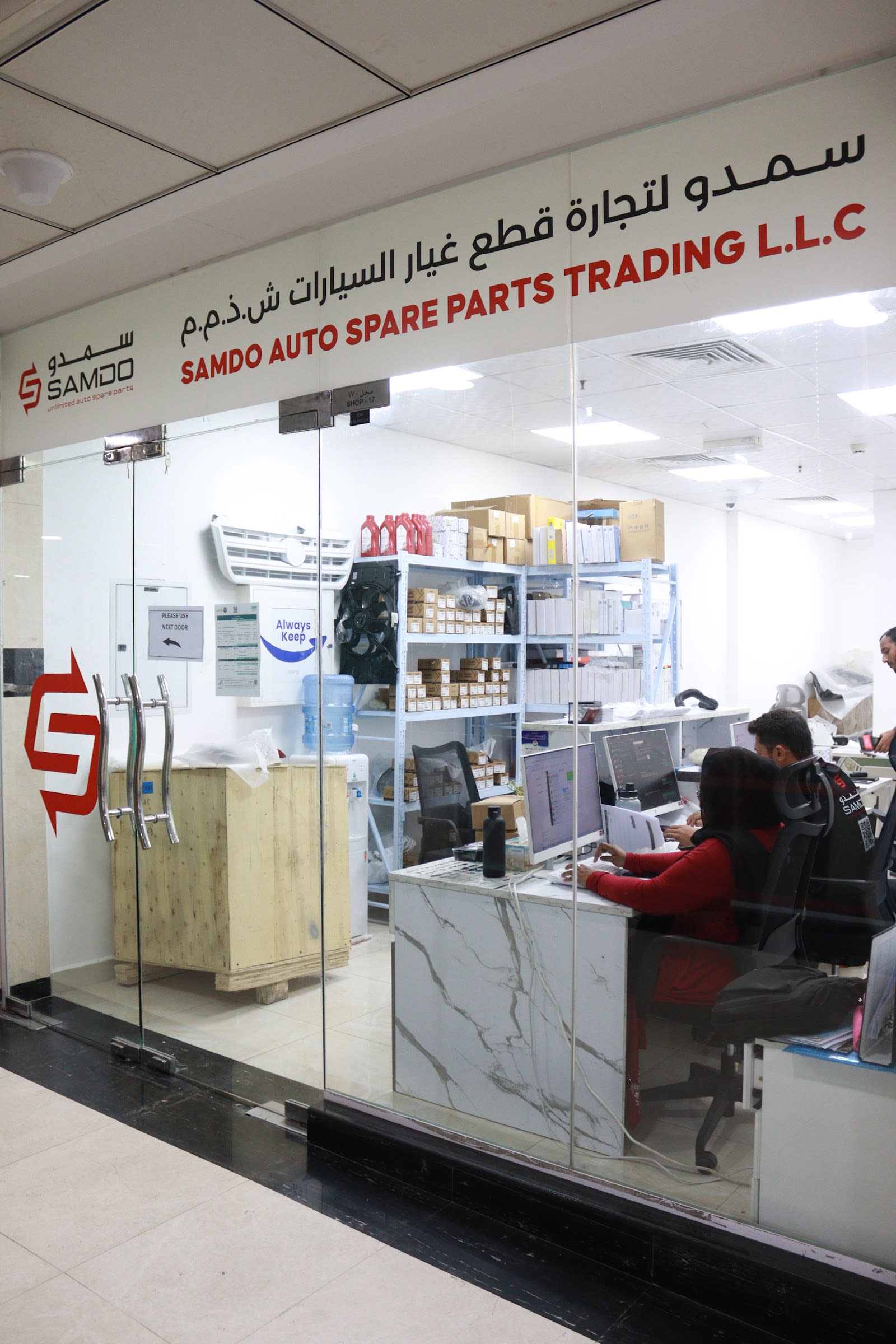
Samdo Auto Spare Parts Trading LLC
Dubai · AL Asmawi Commercial Building 1 El - Shop 17 - Al Manama St - Ras Al Khor Industrial Area 2 - Dubai
 Top-Rated
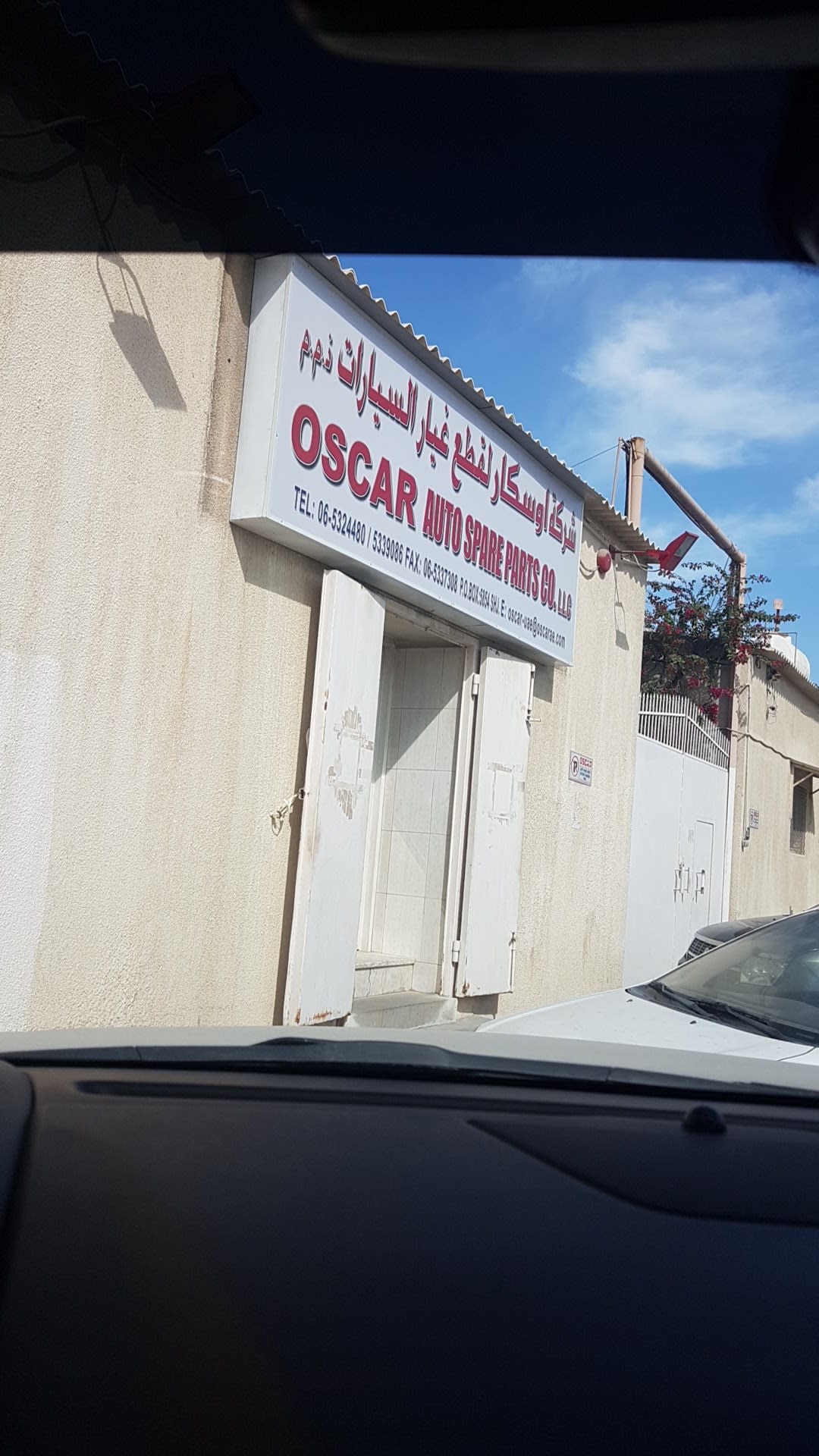
Oscar Auto Spare Parts Co LLC SP
Sharjah · Building 20 - First Industrial St - beside Em-post Office - Industrial Area 2 - Industrial Area - Sharjah
 Top-Rated
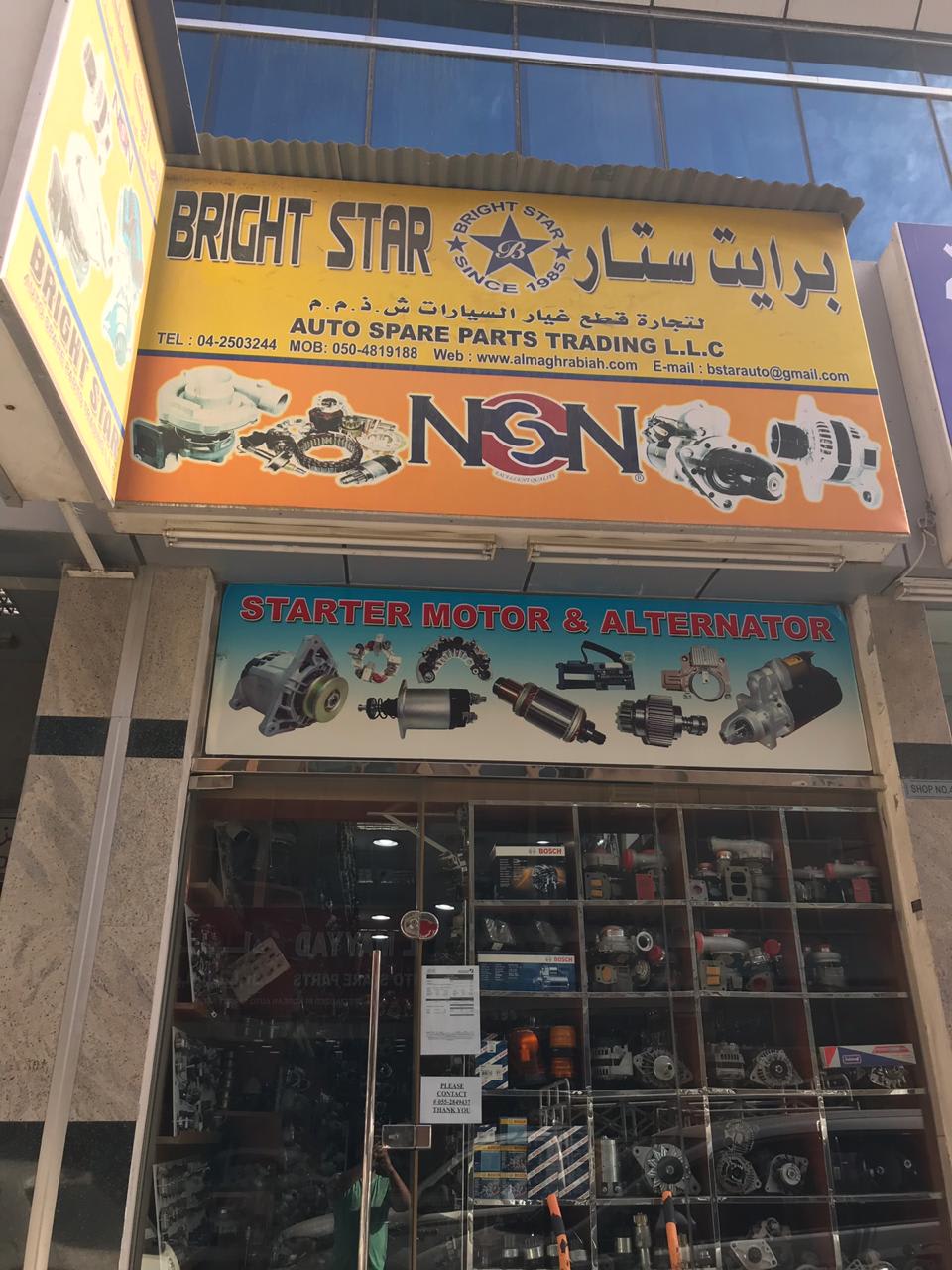
BRIGHT STAR AUTO SPARE PARTS TRADING LLC
Shop # 4, Silver Island Building, 38 C Street, Near Fish Roundabout
 Top-Rated
Al Amani TVR Group
Dubai · Business Bay - Dubai
 Top-Rated
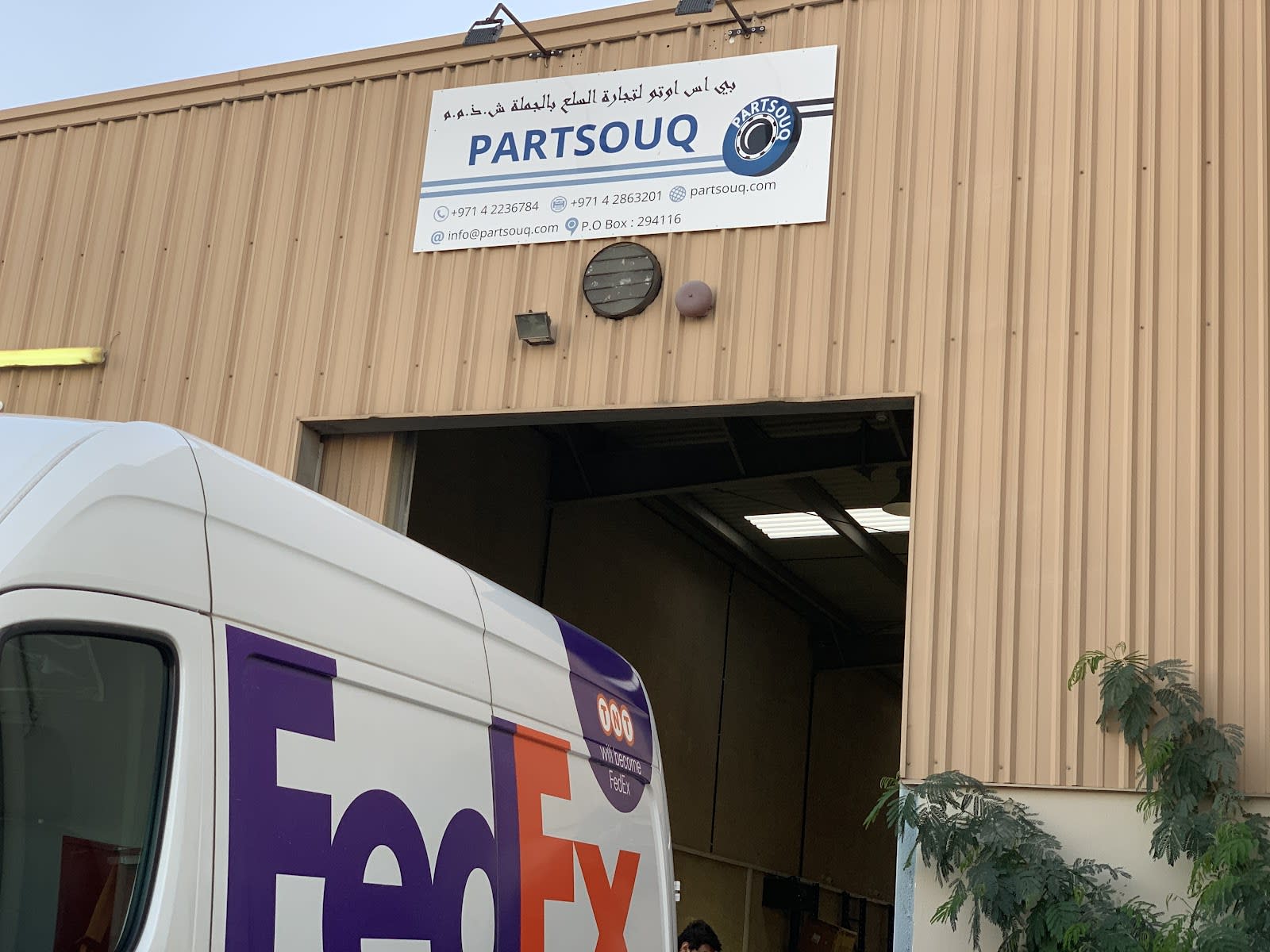
PARTSOUQ - PS AUTO GOODS WHOLESALERS L.L.C
Dubai · RAS AL KHOR 2, ST 7, Building 7, WH-11 - Dubai
 Top-Rated
Noor Din Ditta Auto Spare Parts Trading Branch-3
Sharjah · 8C56+QVF - Shop 1, 56th Street, Industrial Area 3 - Industrial Area 3 - Industrial Area - Sharjah
Where to actually buy this
Shops whose own website lists these parts, or whose stock we have recorded ourselves. Last checked July 2026. Not paid placement.
- BEST AUTO PARTS STOREAbu Dhabi
Stocks clutch kits, differentials and ATF — genuine and aftermarket, new parts. It carries Amaron, Chloride, Atlas BX and Max Flash and 12 more and delivers to Abu Dhabi and Dubai.
4.6 on Google from 20 reviews
- PREMIER AUTO SPARE PARTS LLC RAK BRANCHRas Al Khaimah
Stocks clutch kits, differentials and ATF — genuine OEM. It carries Amaron and Threebond and sells trade as well as retail.
4.2 on Google from 69 reviews
Stocks differentials and ATF — genuine OEM, new parts. It carries ThreeBond, Amaron and AutoGrade and sells trade as well as retail.
4.2 on Google from 163 reviews
- WINWAY AUTO PARTSDubai
Stocks clutch kits and differentials — genuine OEM. It carries Mopar and delivers to Dubai, Abu Dhabi and Sharjah.
4.8 on Google from 34 reviews
Stocks manual gearboxes and automatic gearboxes — genuine OEM, both new and used. It delivers to Sharjah.
4.9 on Google from 33 reviews
- Sport Car Automotive Parts Al AinAbu Dhabi
Stocks clutch kits and differentials — aftermarket, new parts. It carries NGK, Ac delco, AEM and Apexi and 18 more and delivers.
4.8 on Google from 10 reviews
Listings are compiled from each business’s own public information. If you run one of these shops and want the entry corrected or removed, email easycarpartsteam@gmail.com.
Ask a human · free · no account
Rather not ring around?
Tell us the car and the part once — we'll send you the shops that actually stock it.
Free · usually a reply in minutes · no obligation
Still easier on a form? The request goes to the same matched UAE suppliers, free, with only the number of shops you choose able to contact you.
Open the request formKeep reading
Gearboxes — FAQs
- How much is a used gearbox in the UAE?
- Typically AED 2,000 to 6,500 for common automatic gearboxes, AED 2,500 to 7,000 for continuously variable transmissions, and AED 4,000 to 12,000 or more for European automatics. Manuals are cheapest at AED 1,500 to 4,500. A rebuilt unit is usually AED 1,500 to 3,500 above the used price and fitting adds AED 700 to 2,000. These are indicative trade ranges rather than a survey of dated quotes.
- Why do CVTs fail so often in the UAE?
- Continuously variable transmissions run hot by design, and Gulf heat accelerates belt and pulley wear and fluid degradation. Nissan's volume models of the 2013 to 2019 generations are the most visible cases here because so many of them are on UAE roads, and other brands use transmissions from the same supplier. The symptoms are a shudder from a standstill, a whine that rises with road speed, slipping under load and eventually limp mode. An auxiliary cooler and strict fluid changes extend a replacement's life.
- Used or rebuilt gearbox, which should I buy?
- Used is cheaper and reasonable with a good donor story and a written warranty. Rebuilt costs AED 1,500 to 3,500 more but resets the wear parts and usually carries a longer warranty, which is often the better call for a CVT and for a car you intend to keep. Ask the rebuilder which parts they replace as standard regardless of what failed: a written answer means you are buying a process rather than a repair.
- Do used gearboxes come with a warranty in the UAE?
- Reputable suppliers warranty used gearboxes for one to three months and rebuilds for three to six months, in writing on the invoice, conditional on professional fitting and on the correct fluid. Keep the fluid receipt, because a claim without proof of the right fluid rarely succeeds. No written warranty is no deal.
- Will any gearbox from my car's model fit?
- No. Match the transmission code on the case together with the chassis number. The same model can carry different transmissions by year, by engine and by two-wheel or four-wheel drive, and a mismatched unit can bolt on and never work properly because the final drive ratio, the torque rating, the sensor set or the control software is wrong.
- What transmission fluid does my car need?
- The specification the manufacturer names, and nothing else. Nissan CVTs use NS-2 or NS-3 by generation, Toyota conventional automatics use ATF WS, Toyota CVTs use CVT Fluid FE or TC, Honda uses DW-1 for automatics and HCF-2 for CVTs, ZF units use Lifeguard, Mercedes-Benz uses MB 236.14 or 236.15, GM uses Dexron VI, Ford uses Mercon LV and Hyundai and Kia use SP-IV. A universal fluid topped into a CVT is one of the most reliable ways to destroy a working transmission.
- Is transmission fluid really lifetime fluid?
- Some manufacturers publish no change interval, but fluid degrades by oxidation, which is temperature-driven, and a transmission working hard in hot traffic sits at the top of its thermal range. Independent specialists here generally advise changing on an interval with the named specification and preferring a drain-and-fill over a high-pressure flush where the history is unknown. That is trade practice and reasoning about the mechanism, not a manufacturer instruction, and the manufacturer's schedule is what governs a warranty claim.
- Why did my gearbox fail right after a fluid change?
- Because on a high-mileage transmission the old fluid was carrying friction debris that had been filling the gaps in worn clutches, and removing it removed the compensation. The change did not cause the wear, it revealed it. On a transmission with genuinely untouched fluid at high mileage, get a specialist opinion before the service rather than after, and prefer a drain-and-fill to a pressure flush.
- What is a torque converter and does a replacement gearbox include one?
- It is the fluid coupling between the engine and the transmission, with a lock-up clutch inside that mechanically connects the two at cruise. That clutch is a wear item and its lining ends up in the fluid, so a converter left on the car can put debris from the old failure straight into the new unit. It is frequently not included in a used gearbox price. Ask before you buy, and treat a rebuild that reuses the old converter as one to question.
- My car shudders at light throttle. Is the gearbox finished?
- Usually not. A shudder at light throttle between roughly 60 and 100 kilometres per hour, that comes and goes and feels like rumble strips, is classically the torque converter lock-up clutch, and on many cars that is a fluid and solenoid job rather than a transmission. It is one of the most commonly misdiagnosed faults in this trade. Get the fault codes read and the fluid inspected before agreeing to anything expensive.
- What is a valve body and can it be repaired?
- It is the hydraulic control plate inside an automatic transmission, a maze of passages with solenoids that direct pressure to the right clutch pack at the right time. Wear in its bores causes cross-leaks that feel exactly like worn clutches, which is why harsh or delayed engagement is so often a valve body rather than a failed transmission. On a conventional automatic it is frequently repairable or replaceable in place, at a fraction of the cost of a unit.
- Do I need to reset anything after fitting a used gearbox?
- Yes, on most modern cars. The control unit stores adaptive values for clutch fill times and shift pressures learned from the transmission it was living with, and leaving them in place makes a good replacement shift badly. The adaptations have to be reset and many cars need a defined relearn drive cycle; some manufacturers also require the transmission control unit to be coded to the vehicle. Ask the workshop about all three before the car goes up on the lift.
- Should I fit an auxiliary transmission cooler in the UAE?
- It is a common and inexpensive addition here after a CVT or heavy-duty automatic replacement, and its value is highest on cars that tow, carry load, sit in slow summer traffic, or have already lost one transmission. It is not a manufacturer-approved modification on every car. Have it plumbed by someone who has done it before and mounted in clean airflow, because a failed cooler line empties a transmission in under a minute.
- My transmission fluid is pink or milky. What does that mean?
- Coolant has entered the transmission, almost always through a failed radiator-integrated transmission cooler. It is a rapidly fatal contamination because coolant attacks the friction material. It also means the radiator has to be replaced or the cooler bypassed at the same time, otherwise the new transmission is contaminated the same way. Stop driving and get it inspected rather than topping it up.
- What is an AMT gearbox?
- An automated manual transmission: a conventional manual gearbox with actuators operating the clutch and the gear selection, so the driver has no clutch pedal. It is cheap to build and appears mostly on entry-level cars and commercial vehicles rather than premium ones. Its characteristic feel is a noticeable pause between gears rather than a slip, and its usual faults are actuator and clutch wear, both of which are repairs rather than replacements.
- How do I tell a gearbox problem from an engine problem?
- Track the noise or the vibration against road speed rather than engine speed. A whine that rises with road speed points at the transmission or a differential bearing; a noise that follows engine revolutions in neutral does not. Slipping, where engine speed climbs without the car accelerating, is the symptom that genuinely points inside the transmission. A shudder that feels like a misfire at cruise is more often torque converter lock-up than the engine. A fault-code read settles most of it in minutes.
- What should I send when requesting a gearbox quote?
- Your chassis number, a photograph of the plate or barcode label on the transmission case, the year, the engine, and whether the car is two-wheel or four-wheel drive. Say what the symptoms are and what has already been diagnosed, and say whether you want used, rebuilt or either. Ask each supplier whether the torque converter is included and what the written warranty is. Those two questions usually separate the quotes more than the price does.
- Can I buy a used transfer case or differential?
- Yes, and they are routinely bought used from the same yards, often as a matched set with the gearbox from one donor. Match a transfer case by its own code and by the gearbox it bolts to. Match a differential by final drive ratio above all else, because on a four-wheel-drive car a mismatched front and rear ratio makes the axles fight each other permanently and destroys tyres and the transfer case. Limited-slip and electronically locking differentials are separate parts and do not interchange with the open unit from the same model.
- My car vibrates at a certain speed. Is that the gearbox?
- Usually not. A vibration that appears at a specific road speed and worsens under load points at the propshaft, a centre support bearing or a worn universal joint far more often than at anything inside the transmission. A clicking on full lock is a driveshaft constant-velocity joint. All of those are inexpensive relative to a gearbox and all of them are worth eliminating before a transmission is quoted.
- Where is the best place to buy a gearbox in the UAE?
- Sharjah's Industrial Area holds the deepest used stock and most of the CVT specialists, with the auction-fed Sajaa market alongside it. Mussafah serves Abu Dhabi and is strongest on four-wheel-drive and American units, Ras Al Khor and Al Aweer serve Dubai, and Deira leans toward new and reconditioned stock. For European automatics and for any rebuild, call a dedicated transmission specialist as well, because a shop that only does gearboxes can often tell you whether you need a unit or a repair.
Ask a human · free · no account
Still not the question you had?
Ask it directly — a person reads every message.
Free · usually a reply in minutes · no obligation