Key facts
- Genuine (agency) parts typically cost 20–50% more than the same component bought as OEM or quality aftermarket.
- OEM parts often come from the same factory as the genuine part — the difference is the box and the logo.
- Quality aftermarket brands (Bosch, Denso, KYB, Sachs) frequently ARE the original suppliers selling under their own name.
- Counterfeit parts are a real UAE problem — ESMA (the UAE standards authority) applies a conformity label with an anti-counterfeit QR code; check it on boxed parts.
- Match parts by VIN (chassis number), never by model name — trims and facelifts change part numbers mid-generation.
The four tiers, translated
Genuine means the carmaker's box: the part the agency fits, carrying the manufacturer's warranty and the highest price — the premium pays for the logo, the distribution chain and the guarantee. OEM (original equipment manufacturer) is very often the same physical part from the same supplier factory, sold in the supplier's own packaging at 20–40% less.
Aftermarket is everything made by third parties to fit your car: at the top, brands like Bosch, Denso, Valeo and KYB — who often built the original component anyway — at the bottom, unbranded copies with looser tolerances and no meaningful warranty. Used is a genuine part with mileage on it, which for non-wearing components is often the smartest money in the market.
| Tier | Typical price vs genuine | Warranty | Best for |
|---|---|---|---|
| Genuine (agency box) | Baseline | Manufacturer-backed | Safety parts, cars under agency warranty |
| OEM (supplier box) | 20 – 40% less | Supplier warranty | The smart default for most repairs |
| Quality aftermarket | 30 – 60% less | Brand warranty | Wear items: filters, wipers, pads on older cars |
| Unbranded aftermarket | 50 – 70% less | Effectively none | Avoid on anything that matters |
| Used (tested) | 40 – 70% less | Yard warranty 1–6 months | Panels, lamps, engines, gearboxes |
Why the dealer price is so much higher — and when to pay it
The agency premium buys certainty: the exact part, fitted by the brand's technicians, with a warranty the manufacturer stands behind — and on a car still under factory or extended warranty, using agency parts for major systems keeps every future claim clean. That's worth paying for on a new car, on safety-critical repairs, and on anything that touches an active warranty claim.
Off warranty, the calculation flips. The same OEM part from a Deira or Sharjah counter at 20–40% less, fitted by a competent independent workshop, is how most of the UAE's fleet is actually maintained. The saving compounds on European makes, where agency margins are steepest — which is exactly why the parts markets are full of Mercedes and BMW specialists.
Counterfeits: the UAE-specific risk
The UAE's position as a re-export hub makes it a magnet for counterfeit parts — fake filters, pads and plugs in convincing genuine boxes, frequently pushed through social media sellers and too-good-to-be-true prices. A fake brake pad or oil filter isn't a bargain; it's a failure with a schedule.
The defences are simple: buy from established physical shops (the kind with a trade licence on the wall and years of Google reviews), check for the ESMA conformity label — the UAE standards authority's mark, which now carries an anti-counterfeit QR code on regulated parts — and treat any 'genuine' part at half the counter price as fake until proven otherwise.
The buying rules that keep you safe
Rule one: match by VIN. Send the chassis number (it's on the Mulkiya) plus a photo of the old part on WhatsApp; the counter confirms the exact part number before money moves. Model-name ordering is how you end up with the pre-facelift radiator that almost fits.
Rule two: match the tier to the part. Genuine or OEM for brakes, suspension, steering, timing and sensors; quality aftermarket for filters, wipers, bulbs and trim; used for panels, lamps and warrantied major units. Rule three: part number and warranty on the invoice, every time — it's your exchange rights and your proof.
Parts sellers we can name
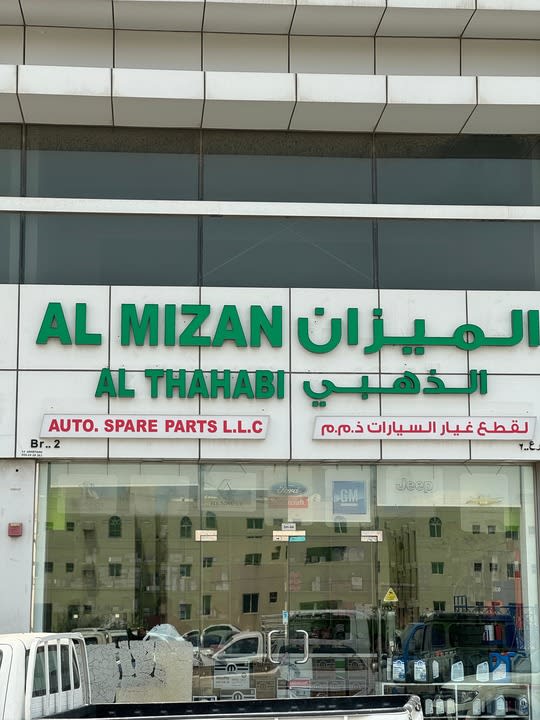
These shops are here because our record of them says they carry genuine and aftermarket lines side by side, which is the comparison this guide is about. We hold no shop-by-shop record of which brands are on which shelf.
Where to actually buy this
Shops whose stock we have recorded ourselves. Last checked July 2026. Not paid placement.
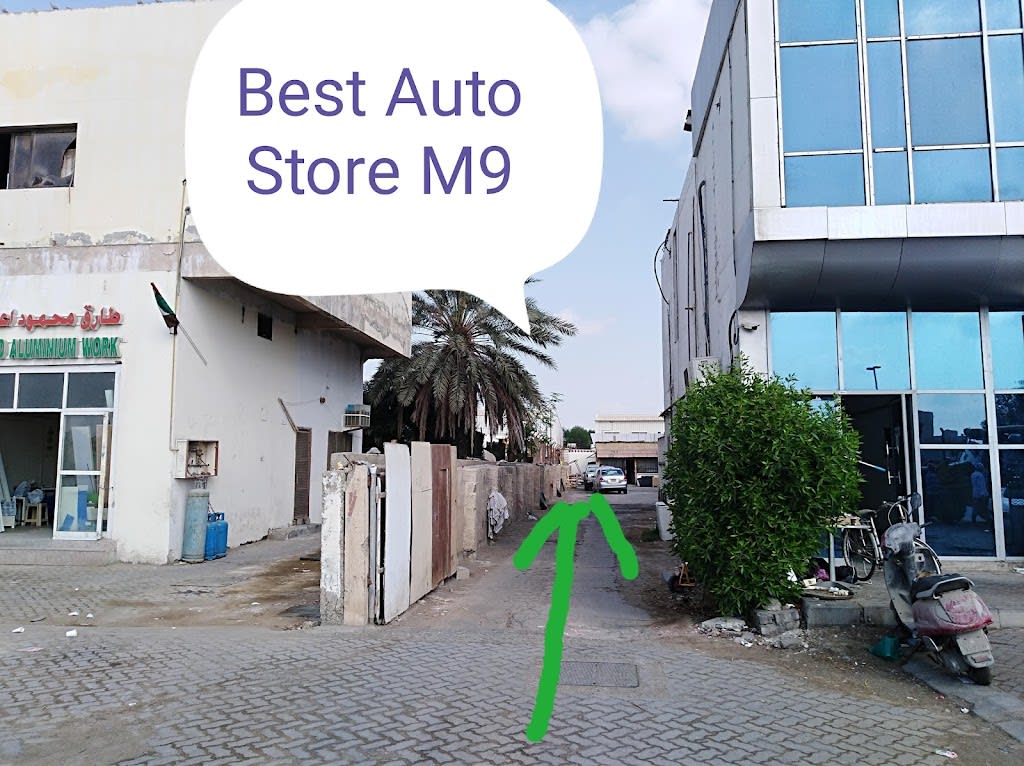
- BEST AUTO PARTS STOREAbu Dhabi
Listed for oils and filters and batteries — genuine and aftermarket, new parts. It carries Amaron, Chloride, Atlas BX and Max Flash and 12 more and delivers to Abu Dhabi and Dubai.
4.6 on Google from 20 reviews
Listed for brake parts and engine parts — genuine and aftermarket, new parts. It carries Mopar, ACDelco, Motorcraft and Renault and 8 more and delivers across all seven emirates.
3.8 on Google from 120 reviews
Listed for tyres and wheels and batteries — genuine and aftermarket, new parts. It carries Firestone, Neoterra, Kunlun and Sailun and 4 more and delivers to Dubai, Abu Dhabi and Sharjah.
4.8 on Google from 19 reviews
Listed for batteries and oils and filters — genuine and aftermarket, new parts. It carries Amaron, Varta, Bosch and ACDelco and 9 more, fits what it sells and delivers to Dubai, Abu Dhabi and Sharjah.
5.0 on Google from 18 reviews
Listed for batteries and oils and filters — genuine and aftermarket, new parts. It carries Varta and Tuflong, fits what it sells and delivers to Abu Dhabi.
4.0 on Google from 10 reviews
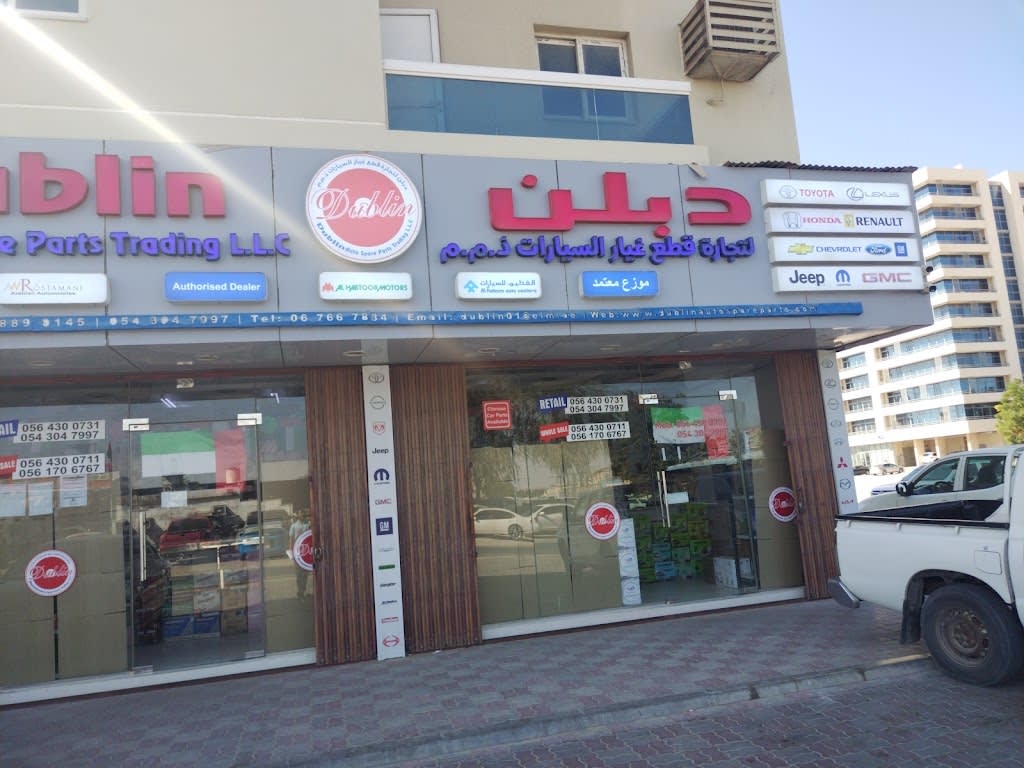
- Dublin Auto Spare Parts TradingUmm Al Quwain
Listed for brake parts and suspension and steering parts — genuine and aftermarket, new parts. It carries ACDelco and Mopar and delivers.
3.6 on Google from 196 reviews

Listings are compiled from each business’s own public information. If you run one of these shops and want the entry corrected or removed, email easycarpartsteam@gmail.com.
FAQs
- Are OEM parts as good as genuine parts?
- Usually they're the same physical component — OEM suppliers build the parts carmakers box as genuine. You give up the maker's logo and agency warranty, and save 20–40%. For out-of-warranty cars, OEM is the smart default.
- Are aftermarket parts bad?
- Quality aftermarket brands (Bosch, Denso, Valeo, KYB) are excellent — they often made the original. Unbranded copies are the risk: looser tolerances, no warranty. On safety-critical parts, stay genuine or OEM.
- How do I spot counterfeit car parts in the UAE?
- Buy from established shops, check the ESMA conformity label and its anti-counterfeit QR code on boxed parts, and distrust 'genuine' at half price — especially from social media sellers. Compare packaging quality against a known-real part if in doubt.
- Does using non-agency parts void my warranty?
- It can complicate claims on affected systems while the factory warranty runs — keep major and safety work at the agency until it expires. After that, OEM and quality aftermarket parts fitted by a competent workshop are the normal, sensible route.
- What's the cheapest safe way to fix an older car?
- OEM or quality aftermarket for wear items from a parts market (20–60% below agency), used panels and lamps from the Sharjah yards (40–70% below), and genuine only where safety demands it. Always match by VIN and get part numbers on the invoice.
Ask a human · free · no account
Got a question this guide didn't answer?
Send it over.
Free · usually a reply in minutes · no obligation
Prices are indicative AED ranges and vary by vehicle, condition and provider. Where regulations are mentioned, confirm the current rules with the RTA — this guide is general information, not legal or pricing advice.