Key facts
- The VIN (Vehicle Identification Number / chassis number) is a 17-character code that identifies your exact car — engine, trim, market and production window.
- In the UAE it's printed on your Mulkiya (registration card), on a plate at the base of the windscreen, and on the door-jamb sticker.
- Parts counters decode the VIN to the factory part number — which is how they avoid the classic wrong-facelift and wrong-trim mistakes.
- VIN + a photo of the old part is the quote message the trade itself uses; part number beats even that when you have it.
- Never share your Mulkiya photo publicly — send the VIN text (or crop the image) to suppliers only.
Where to find your VIN
You have it in three places already. Easiest: your Mulkiya — the registration card lists the chassis number. On the car: a small plate visible through the windscreen at the base of the driver's side, and the manufacturer's sticker in the driver's door jamb (which usually adds the paint code — copy that too, it matters for body parts).
It's 17 characters, letters and digits, with no letter I, O or Q (they'd look like 1 and 0). If what you've copied has one of those, you've misread a character — the counter will catch it, but it costs a round trip.
| Section | Characters | What it tells the counter |
|---|---|---|
| WMI | 1–3 | Manufacturer and build country |
| VDS | 4–8 | Model, body, engine family — the fitment core |
| Check + year + plant | 9–11 | Model year and factory |
| Serial | 12–17 | Your exact car — the production window that decides facelift parts |
Why the VIN beats the model name every time
'Nissan Altima 2016' describes thousands of different cars: two engines, multiple trims, mid-year running changes, US-spec versus GCC-spec. Each of those differences can change bumpers, lamps, sensors, radiators and gearboxes. The VIN collapses all of it to one car built in one week at one factory — and the electronic parts catalogue (EPC) every serious counter runs turns that into the exact factory part number.
That part number is the real prize. With it, the counter can offer you the same part three ways — genuine, OEM (same part, plain box) and quality aftermarket cross-referenced to it — and a used yard can match it against their pulled stock. Without it, everyone is guessing from a model name, and guesses come back for refunds.
The WhatsApp message that gets the right quote first time
The trade's own format, copy it: VIN + part needed + a photo of the old part (label visible if it has one) + your emirate. Example: '2019 Pathfinder, VIN 5N1AR2MM8KC123456 — need front right lower control arm, photo attached, Sharjah, new or good used.' That message gets a confirmed part number and price back in one reply; 'how much control arm Pathfinder' gets twenty questions.
For electrical parts, add the part number printed on the old unit if you can read it — for sensors and modules it's the one identifier that never lies. For body parts, add the paint code from the door-jamb sticker so used yards can offer same-colour panels that skip painting.
One caution: your VIN isn't a secret in any dangerous sense, but your Mulkiya carries personal details — send the VIN as text, or crop the photo to the chassis number line, and only to suppliers you're actually dealing with.
Free decoders vs the counter's catalogue
Free online VIN decoders will tell you build year, engine and trim — useful for sanity-checking a used-car ad, not accurate enough to buy parts by. The parts catalogues the counters use (and the paid decoder services behind them) map your VIN to exploded diagrams with the factory number for every bolt. That's the tool that matters, and every competent UAE counter uses it free of charge as part of quoting you.
So the practical rule is simple: your job is to deliver the VIN; the supplier's job is the decoding. Send it once through a parts request and let matched suppliers — new, OEM and used — come back with the exact part confirmed. If a supplier quotes a fitment-sensitive part without asking for your VIN or part number, that's your cue to compare another quote.
Parts sellers we can name
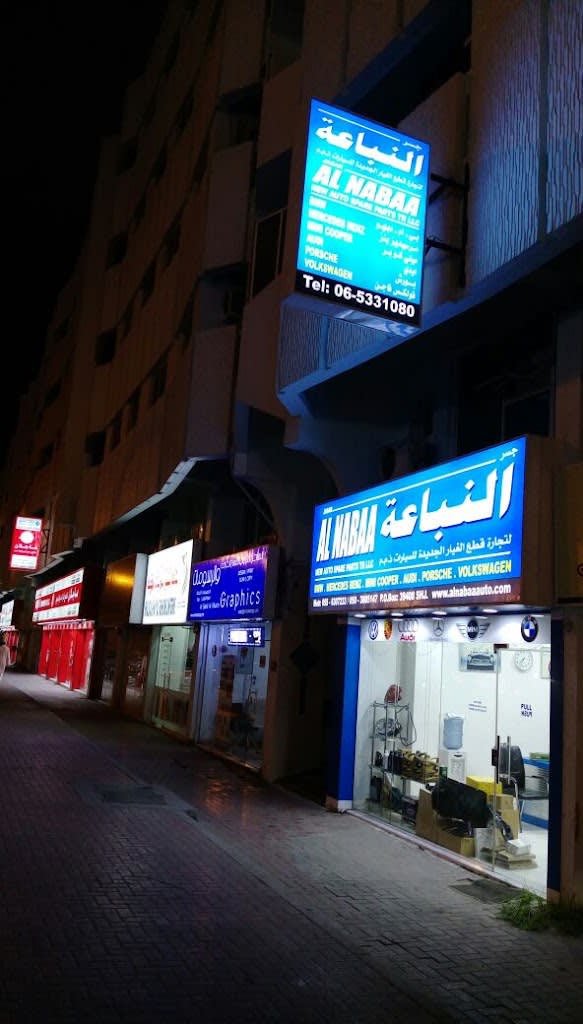
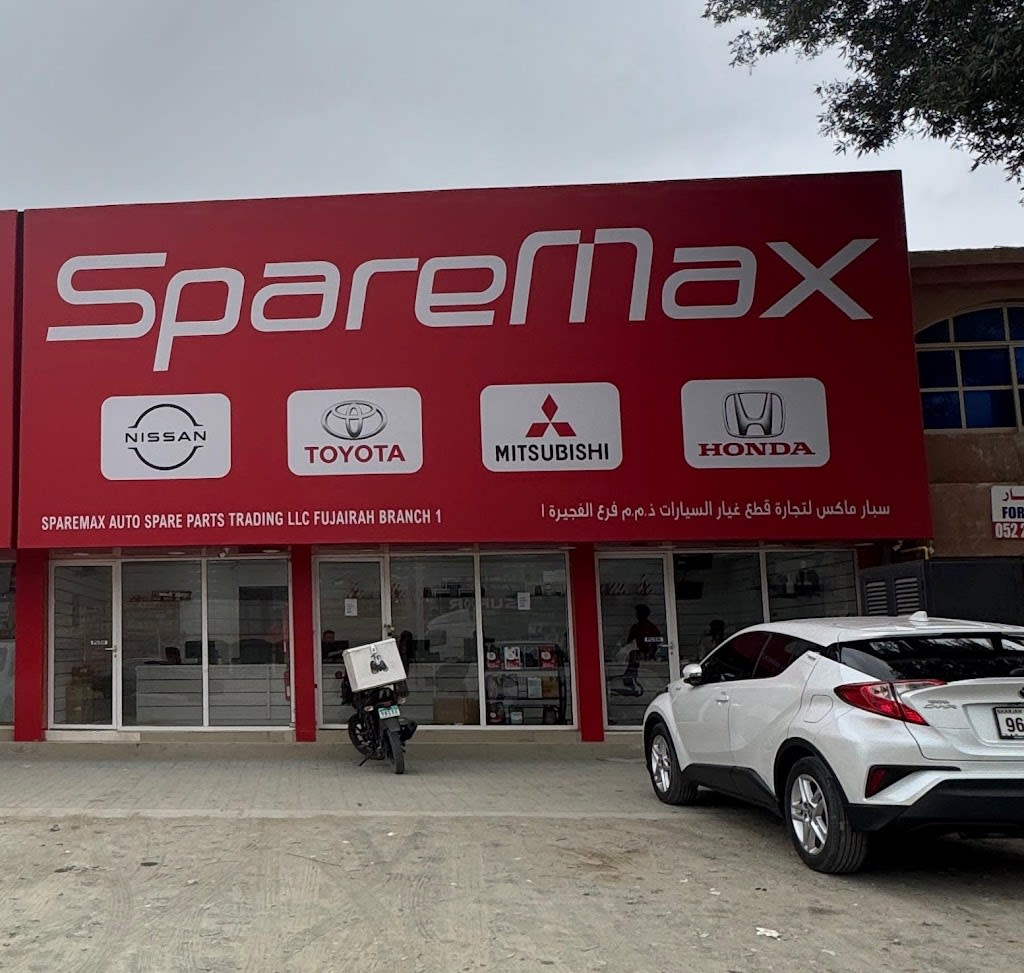
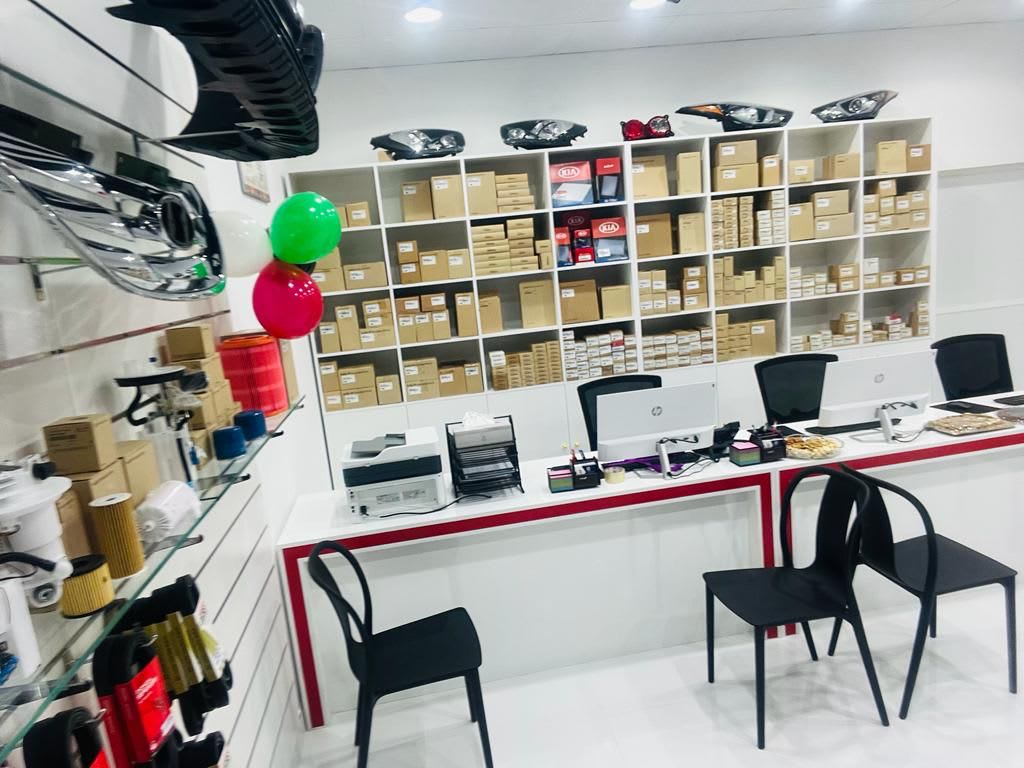
These shops are here because our record of them says they will match a part to a VIN, which is what this guide asks you to send. It is a record of what they offer, not of what they have in stock today.
Where to actually buy this
Shops whose stock we have recorded ourselves. Last checked July 2026. Not paid placement.
Listed for brake parts and engine parts — genuine and aftermarket, new parts. It carries Textar, Hella and Delphi, matches parts to your VIN and delivers across all seven emirates.
4.6 on Google from 33 reviews
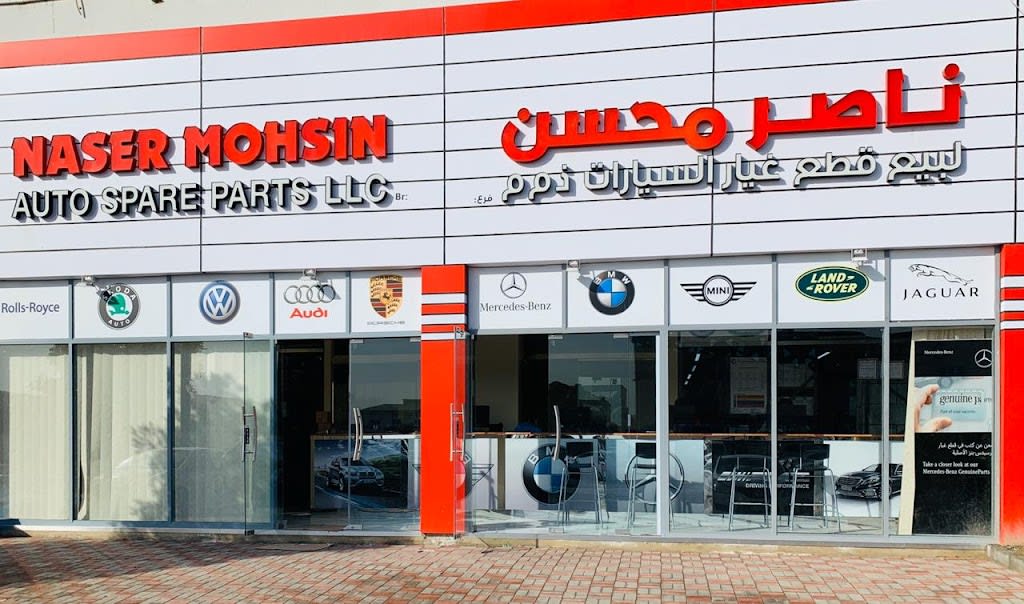
- Naser Mohsin Auto Spare PartsAbu Dhabi
Listed for engine parts and brake parts — genuine OEM, new parts. It carries Bosch, Febi Bilstein, Lemforder and Textar, matches parts to your VIN and delivers to Dubai, Abu Dhabi and Sharjah.
4.3 on Google from 151 reviews
Listed for engine parts and suspension and steering parts — genuine OEM, new parts. It carries Energizer, matches parts to your VIN and delivers to Dubai, Abu Dhabi and Sharjah.
4.5 on Google from 10 reviews
Listed for engine parts and suspension and steering parts — genuine OEM, new parts. It carries Acdelco, Mopar and Amaron, matches parts to your VIN and delivers to Dubai, Abu Dhabi and Sharjah.
3.8 on Google from 4 reviews
Listed for engine parts and brake parts — genuine OEM, new parts. It carries KIA, Hyundai, GMC and Chevrolet and 4 more, matches parts to your VIN and delivers to Dubai, Sharjah and Abu Dhabi.
4.7 on Google from 7 reviews
- Model Automotive Parts EstAbu Dhabi
Listed for brake parts and suspension and steering parts — genuine and aftermarket, new parts. It carries FEBI, Lemforder, Mahle and Behr and 10 more and matches parts to your VIN.
4.0 on Google from 412 reviews

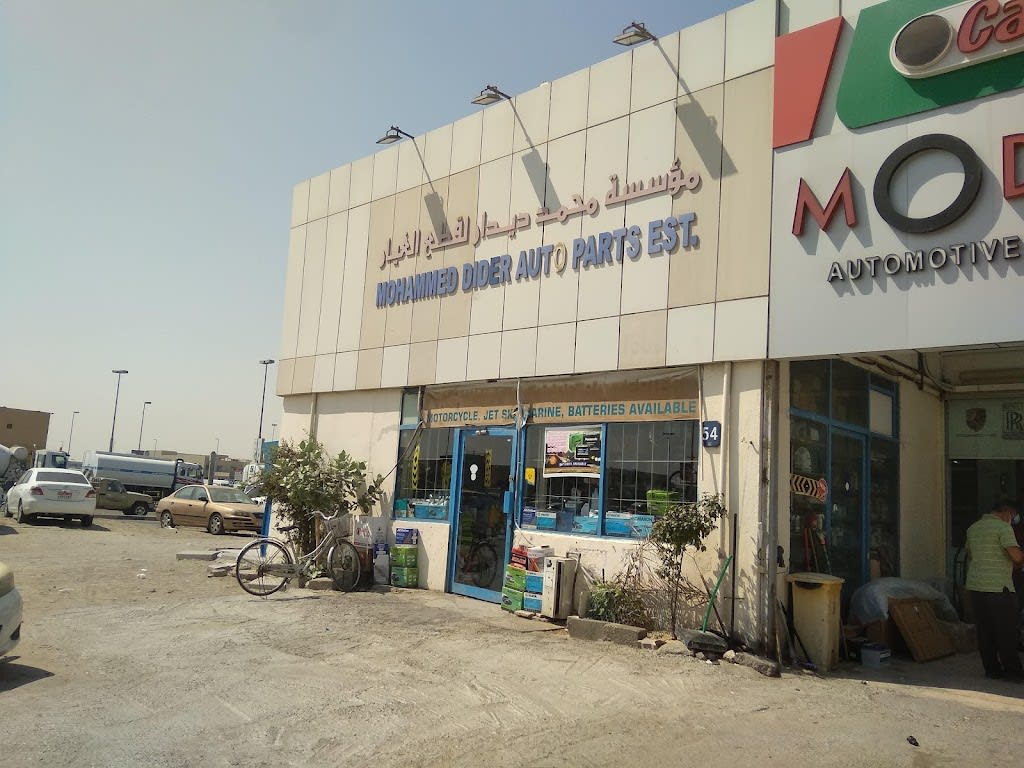
Listings are compiled from each business’s own public information. If you run one of these shops and want the entry corrected or removed, email easycarpartsteam@gmail.com.
FAQs
- Where is the VIN on my car in the UAE?
- On your Mulkiya (registration card) as the chassis number, on the plate at the base of the windscreen, and on the driver's door-jamb sticker — which also carries your paint code.
- Can a parts shop find any part from my VIN?
- Effectively yes — counters decode the VIN in the electronic parts catalogue to the factory part number for every component, then offer genuine, OEM or aftermarket equivalents against it. It's how the trade avoids wrong-fitment sales.
- Is it safe to give out my VIN?
- Sharing the VIN with parts suppliers is normal and necessary. Just don't post your full Mulkiya publicly — it carries personal details. Send the VIN as text or crop the image to the chassis line.
- What if I can't read the part number on the old part?
- Send the VIN plus a clear photo of the part from a couple of angles — the counter identifies it from the catalogue's exploded diagrams. Label half-visible? Photograph it anyway; partial numbers narrow the search fast.
- Do free VIN decoders work for buying parts?
- They're fine for build year, engine and trim, but not precise enough to order fitment-sensitive parts. The counter's parts catalogue does that properly — your job is just to supply the VIN.
Ask a human · free · no account
Got a question this guide didn't answer?
Send it over.
Free · usually a reply in minutes · no obligation
Prices are indicative AED ranges and vary by vehicle, condition and provider. Where regulations are mentioned, confirm the current rules with the RTA — this guide is general information, not legal or pricing advice.