KONI adjustable dampers in the UAE
Adjustable shock absorbers and dampers for road and off-road use
KONI is a trademark of its owner. We are not an authorised KONI dealer or distributor, and nothing here is endorsed by them. The name and mark are shown to say which parts we quote and source.
The quick answer
KONI is a Dutch damper specialist founded in 1857 and part of ITT since 1972, sitting today inside ITT Motion Technologies. What separates it from most damper brands is that a KONI is frequently meant to be adjusted after it is on the car, either by the owner turning it or by a mechanical valve doing the choosing. Its off-road ladder runs Heavy Track, then RAID, then EXPLORER, and KONI is unusually clear about the difference: Heavy Track is for vehicles that go off road occasionally, RAID for vehicles that live there.
Ask a human · free · no account
Looking for genuine KONI?
We'll only send you shops that actually stock it.
Free · usually a reply in minutes · no obligation
Key facts
- KONI has been part of ITT since 1972 and sits inside ITT Motion Technologies. Its own About page dates the company to 1857.
- KONI positions Heavy Track BELOW RAID in its own words: Heavy Track is for SUVs and light four-wheel drives that tackle rough terrain occasionally, without the extreme-duty engineering of the RAID range.
- RAID uses a 2.5mm thick steel body over a twin-tube design, an oversized 70mm internal piston, and digressive rebound adjustability the owner can tune to payload, spring rate and terrain.
- EXPLORER is a different construction entirely: a 2 inch 6000-series aluminium monotube with a 50mm piston, nitrogen charged, combining KONI's FSD valve with adjustable ride height and supporting lifts of up to 3 inches.
- FSD stands for Frequency Selective Damping. It is a patented mechanical valve, not an electronic one, so it adapts damping without wiring, sensors or a control unit.
- KONI's road lines are named GTS, Special ACTIVE, Sport, STR.T, Classic and Special. KONI publishes no description of what each is for that we could read, so this page describes none of them.
- KONI's RAID page says the range is trusted worldwide in the harshest environments. It does not mention deserts, dunes or sand anywhere, and neither does this page.
Rather fill in a form? Send the same request here and matched UAE suppliers reply on WhatsApp either way.
Open the request formKONI — the range
| Range | How it is built | What it is for |
|---|---|---|
| Heavy Track | Twin-tube, with rebound damping the owner can adjust | SUVs and light four-wheel drives that tackle rough terrain occasionally rather than constantly |
| RAID | Twin-tube inside a 2.5mm steel body, with an oversized 70mm internal piston and an outer reserve tube | Four-wheel drives and SUVs used in the harshest environments, re-tuned by the owner for load and terrain |
| EXPLORER | A 2 inch 6000-series aluminium monotube, nitrogen charged, with a 50mm piston and adjustable ride height | Lifted vehicles, supporting suspension lifts of up to 3 inches |
| Frequency Selective Damping | A patented mechanical valve that selects the damping rate from the frequency of the input | Owners who want the damping to adapt without wiring, sensors or anything to set. KONI builds it into EXPLORER |
Source: KONI — Heavy Track: construction, adjustable rebound and its stated place below RAID, read 2026-09-03; KONI — RAID: steel body, piston size, reserve tube and digressive rebound adjustability, read 2026-09-03; KONI — EXPLORER: aluminium monotube, FSD, adjustable ride height and lift support, read 2026-09-03
Which one fits your car
| If this is your car | Use | Why |
|---|---|---|
| Mostly highway, with occasional rough tracks and graded surfaces | Heavy Track | KONI's own limit on this one is the word occasionally. Read it as a specification rather than as modesty. |
| Loaded touring vehicle whose weight and terrain change from trip to trip | RAID | The point of the adjuster is that the same damper suits a stripped vehicle and a fully loaded one. Nothing else on the truck does that. |
| Vehicle already lifted, or being lifted, by up to three inches | EXPLORER | Ride height adjustment is built into the damper here, which is a different way of buying a lift than fitting taller springs to a fixed-length unit. |
| Owner who wants adaptive behaviour but no electronics on the vehicle | Frequency Selective Damping | A mechanical valve has no loom to chafe through and no control unit to fault. On a vehicle that gets modified often, that is a real advantage. |
| Vehicle whose rock strikes and debris hits are a routine event | RAID | The outer reserve tube is doing structural work here, shielding the inner cylinder rather than only holding oil. |
The range descriptions are the manufacturer’s. Matching them to a car is our guidance, and it is a starting point rather than a fitment check — the part number is what actually decides. Send us the make, model and year and we will confirm it.
Original equipment
This page names no vehicle manufacturer as a KONI factory-fitment customer, because we could not find KONI naming one. That absence reads differently here than it does on most damper pages, and the difference is worth stating: KONI's whole proposition is a damper you change after the car was built, adjusted to a load and a use the factory never anticipated. A brand whose reason to exist is what you do to the car afterwards does not need a factory contract to be the right part, and it should not be sold to you on an implied one either. If somebody tells you a KONI is what your vehicle came with, that is a claim to check against the vehicle manufacturer's catalogue rather than against a badge.
Where it is made
We publish no country of manufacture for KONI. ITT does not publish a plant list for the brand, KONI's own About page names no factory, and its main domain would not open to us, so anything in this column would have been assembled from memory rather than from a source. There is one manufacturing fact on this page that is genuinely KONI's, and it sits in the range table instead of here: the EXPLORER body is 6000-series aluminium and the RAID body is 2.5mm steel. That tells you more about what you are buying than a country name would.
KONI in the UAE
We could not source a KONI entity, importer or appointed distributor in the United Arab Emirates. That is a statement about what ITT and KONI publish, not a finding about the market: KONI products are visibly sold here and we simply have no first-party document naming who brings them in. A shop's own description of itself as the KONI distributor is not that document. If authorisation matters to you, and for an adjustable damper carrying a warranty it reasonably might, ask to see the appointment on the manufacturer's paper rather than the seller's.
A damper you are supposed to keep adjusting
Most shock absorbers are a decision somebody else made. The valving is set at the factory, it suits an assumed weight and an assumed use, and from then on the only choice available to the owner is which part number to buy. KONI is built on the opposite premise, and it is the single thing that makes the brand worth a page of its own: a great many KONI dampers are meant to be tuned after they are on the vehicle.
Two of its off-road lines put that adjustment in the owner's hands. Heavy Track has rebound damping KONI describes as easily adjustable, so a firmer setting can be chosen for tighter control on a long highway drive and a softer one for comfort and traction on rough ground. RAID goes further, with digressive rebound adjustability KONI describes as letting an owner tune each shock for specific terrain, payloads, spring rates or unique environmental conditions. Note the plural in that sentence. It assumes the vehicle will be different next month.
The third route is the one where the damper does the choosing. FSD, which stands for Frequency Selective Damping, is a patented mechanical valve that reads the frequency of what the wheel is doing and sets the damping accordingly. The important word is mechanical. Adaptive damping normally arrives as electronics, with a loom running to each corner and a control unit behind it, and on a vehicle that is regularly modified, regularly loaded and regularly washed out after a trip, a loom is one more thing to fail. A valve that makes the same kind of decision with no wiring is a different bargain entirely.
This is also why a KONI is a harder thing to buy badly and a harder thing to buy lazily. An adjustable damper set wrongly is worse than a fixed one set adequately, and nobody at a counter can set it for you, because the setting depends on what the vehicle weighs on the day.
The three off-road lines, in KONI's own order
KONI publishes an explicit ladder for off-road use, and it is unusually honest about where the bottom of it stops. Heavy Track is described by KONI as built for SUVs and light four-wheel drives that tackle rough terrain occasionally, offering reliable off-road control without the extreme-duty engineering of the RAID range. The company puts the phrase optimised for everyday off-road use on it. That is a manufacturer telling you which of its own products is the lesser one, which is rarer than it should be.
RAID is the heavy end. Its body is 2.5mm thick steel over a twin-tube design with an inner working cylinder and an outer reserve tube, the internal piston is an oversized 70mm, and the attachment fittings are built to match. KONI makes a point of the outer tube offering protection against rock strikes and debris, which is a structural argument rather than a hydraulic one: on the wrong track, the thing most likely to end a damper is not heat, it is an impact. The vehicles KONI shows it on are an Ineos Grenadier and a Defender 110.
EXPLORER is not a step further up the same ladder, it is a different construction. Where RAID is steel and twin-tube, EXPLORER is a 2 inch monotube in 6000-series aluminium, nitrogen charged, with a 50mm piston. It pairs the FSD valve with adjustable ride height and supports suspension lifts of up to 3 inches, so it is aimed squarely at a vehicle that has already been raised or is about to be.
Read as a buying decision rather than as a spec sheet: Heavy Track is for a vehicle that mostly lives on tarmac, RAID for a vehicle whose load and surface change constantly and which takes physical hits, EXPLORER for a lifted vehicle whose owner would rather not think about damper settings at all.
What KONI does not say about deserts
There is a sentence this page could easily have contained and does not, and it is worth explaining the gap rather than leaving it as an odd silence.
KONI's RAID page says the range has been trusted worldwide in the harshest environments. It does not say deserts. It does not say dunes, it does not say sand, and it does not mention rally raid or any desert event, despite the line's name inviting the association. The vehicles pictured on it are British and European four-wheel drives, not Gulf ones.
On a page written for readers in the United Arab Emirates, the natural next move is to close that gap helpfully, and to write that RAID is therefore ideal for Gulf desert use. We are not going to, because it would be our conclusion wearing KONI's authority. The engineering argument that a hard-working damper needs heat capacity and impact protection is real and is made above. The leap from there to a specific claim about how one named product performs in dune driving is a leap nobody has published, and inventing a manufacturer's endorsement is exactly the failure this whole set of pages was built to avoid.
What is defensible is narrower and more useful. KONI's own ladder is keyed to how often the vehicle leaves tarmac and how much it carries, and those are two questions a driver here can answer honestly about themselves in about ten seconds. Answer them first, then pick the line.
Six road-car names we can print and cannot explain
KONI's catalogue for road cars is larger than the off-road side, and this page covers it poorly for a reason that is worth being open about.
The lines are named GTS, Special ACTIVE, Sport, STR.T, Classic and Special. Those names were read off KONI's own site, so they are real. What we could not find, on any page we were able to open, was KONI's own description of what each one is for: which is firmer, which is adjustable, which suits a daily car and which suits a track weekend. KONI's main domain returned a bot-protection page rather than content, and we do not work around bot protection.
So the honest position is that we have six names and no specifications, and a table built on that would have been six invented descriptions in a format that makes them look sourced. Table cells are read as facts. Sentences can carry doubt, which is why the names are here in a paragraph instead.
If you are shopping the road side of the range, the practical route is to treat the line name as the beginning of a question rather than the answer to one. Ask the seller what the specific line does differently on your car, ask whether it is adjustable and adjustable in which direction, and ask what it is meant to be set at when it goes on. A KONI that arrives with nobody knowing its intended setting is an expensive fixed damper.
Who owns KONI, and what its own site will not tell you
KONI's About page states two things about the company and very little else. It became part of ITT in 1972, and it sits today within ITT Motion Technologies. The same page dates the business to 1857 and claims over 150 years of engineering excellence.
That is genuinely the whole of it. There is no founder named, no town given as a headquarters and no account of what the company made before it made dampers. Those things are commonly repeated online and we did not source any of them, so they are not on this page. It is a slightly frustrating result to publish and it is better than the alternative, which is a paragraph of confident biography that turns out to have been copied from a forum in 2011.
The one thing the ownership does tell a buyer is about continuity rather than pedigree. A damper brand owned since 1972 by a large listed industrial group is a brand whose parts and warranty are unlikely to disappear between a purchase and a problem. That matters more for an adjustable damper than for a plain one, because the failure you actually care about is a knob that stops doing anything three years in.
Ordering a KONI in a market where KONI has no address
There is no KONI office, importer or appointed distributor in the United Arab Emirates that we could source, and that shapes how to go about buying one here.
The first consequence is that the seller is the whole of the relationship. With no manufacturer entity in the country, a warranty conversation runs through whoever sold you the damper and wherever they bought it from. Ask that question before you pay rather than after: who handles it if a unit leaks in month four, and does the answer involve shipping the damper somewhere.
The second is about the adjustment, and it is the part people skip. An adjustable damper needs to arrive with an agreed starting point. Establish what setting the pair is going on at, in writing if the shop is doing the fitting, and establish how the adjuster is reached once the vehicle is back on the ground, because on some installations it is reachable and on others it is not until the corner comes apart again.
The third is the boring one that applies to any suspension purchase in this market. Give the counter the exact vehicle, the year, the body variant and whether the vehicle is already lifted, and get the answer as an article number rather than as a line name. Two vehicles that look identical in a car park routinely take different dampers, and a lift changes the answer completely.
Shops for suspension in the UAE
These shops are here because their recorded stock covers at least one of shock absorbers and struts — not because we have confirmed that each one carries KONI. We hold no reliable shop-by-shop record of which brands are on which shelf, so ring or message before you travel.
Where to actually buy this
Shops whose stock we have recorded ourselves. Last checked July 2026. Not paid placement.
- Popular Auto PartsAbu Dhabi
Listed for brake parts and engine parts — genuine and aftermarket, new parts. It carries Mopar and matches parts to your VIN.
4.0 on Google from 11 reviews
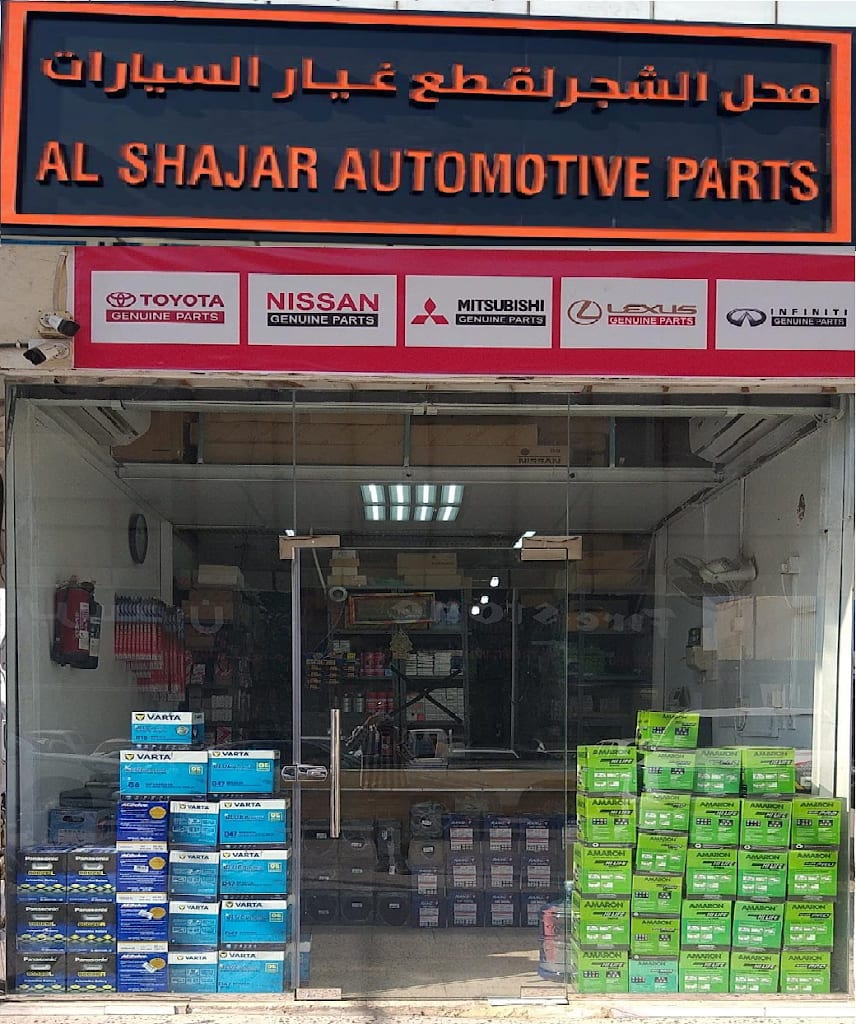
- Al Shajar Auto PartsAbu Dhabi
Listed for batteries and oils and filters — genuine and aftermarket, new parts. It carries Bosch, Varta, Amaron and AC Delco and 4 more and delivers.
5.0 on Google from 7 reviews
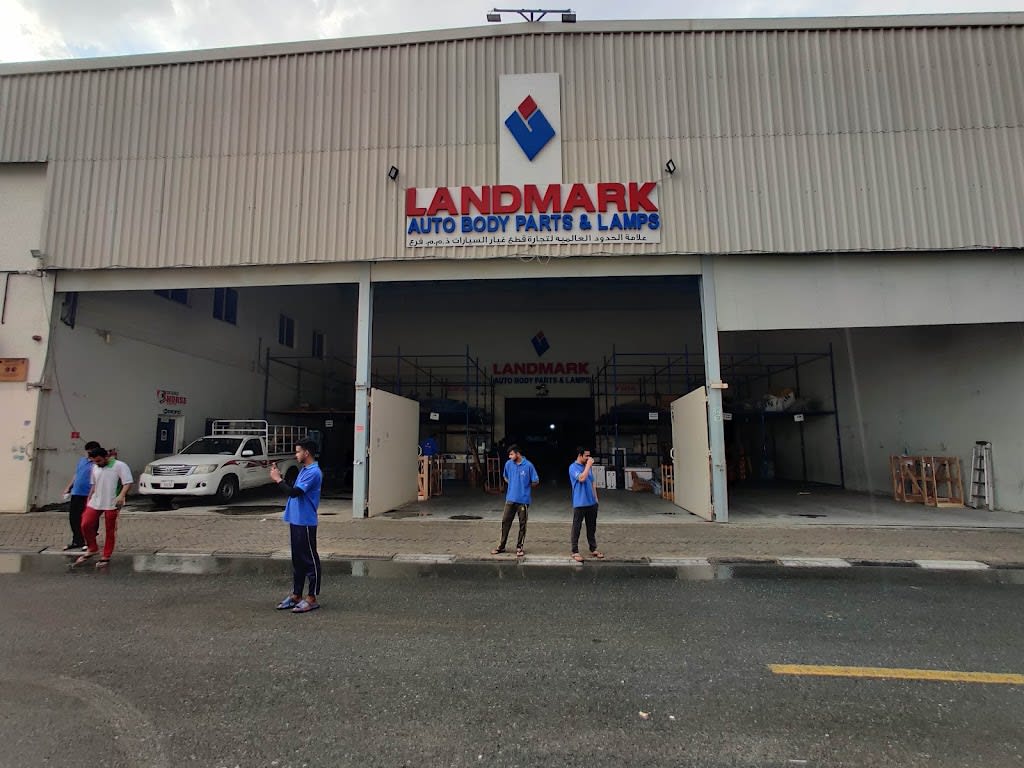
Listed for body panels and lights and A/C and cooling parts — aftermarket, new parts. It carries Depo, TYG, Double horse and Viewmark and 4 more and delivers.
4.3 on Google from 172 reviews
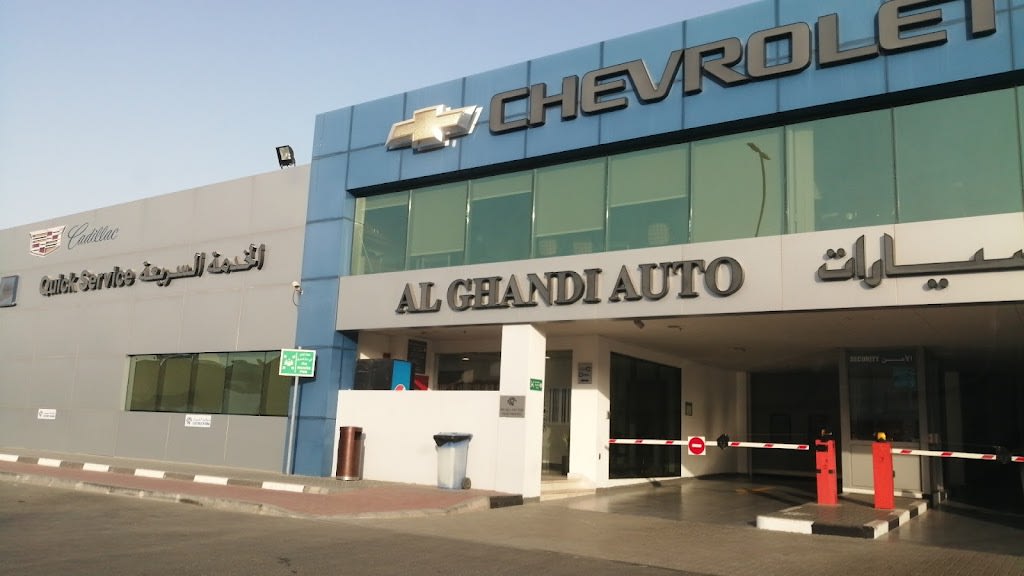
- Al Ghandi Auto PartsDubai
Listed for brake parts and electrical parts — genuine OEM, new parts. It carries IVECO and delivers.
4.1 on Google from 83 reviews
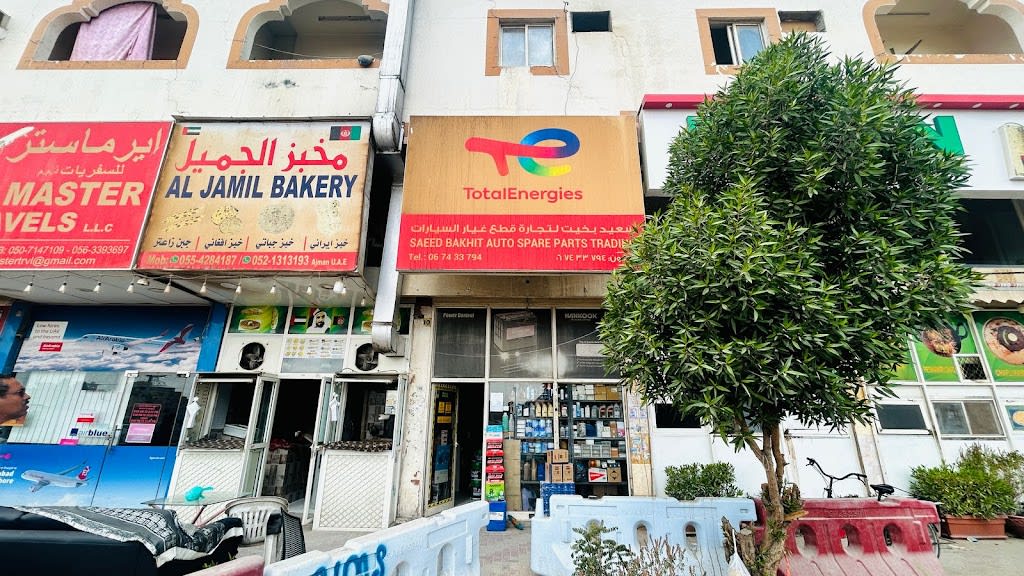
Listed for oils and filters and batteries — genuine and aftermarket. It carries Totalenergies and Hankook and delivers across all seven emirates.
4.4 on Google from 9 reviews
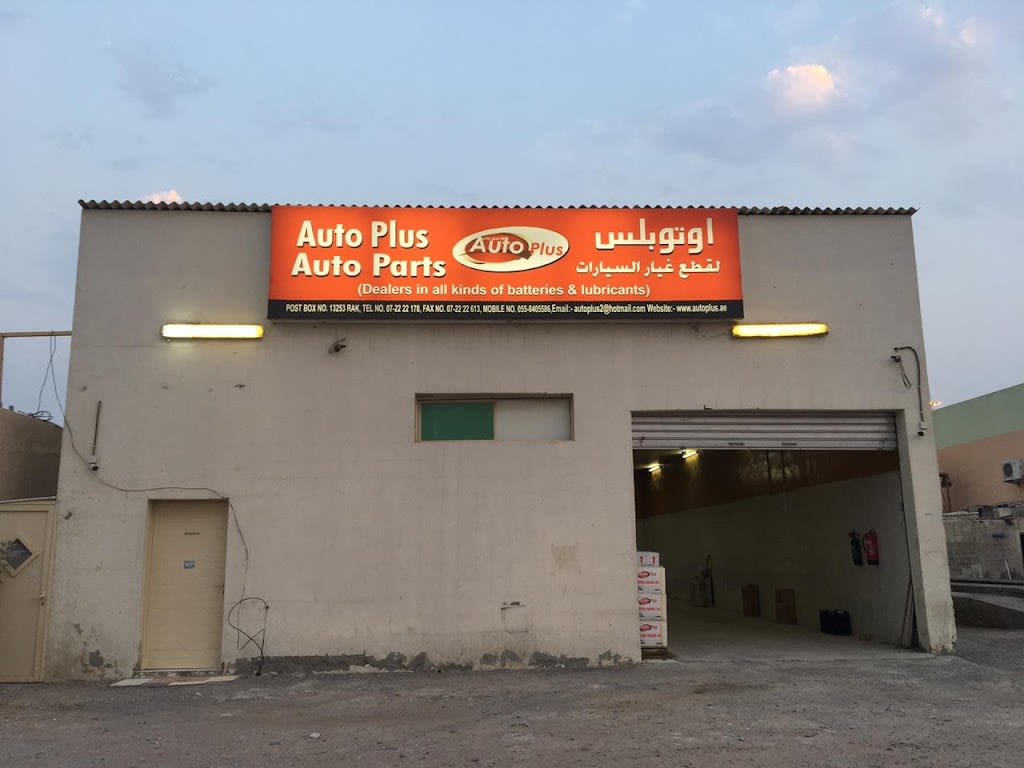
- Auto Plus Auto PartsRas Al Khaimah
Listed for batteries and oils and filters — aftermarket, new parts. It carries Livguard, IQ Power, National Lube and Auto Plus and sells trade as well as retail.
5.0 on Google from 3 reviews

Listings are compiled from each business’s own public information. If you run one of these shops and want the entry corrected or removed, email easycarpartsteam@gmail.com.
Still easier on a form? The request goes to the same matched UAE suppliers, free, with only the number of shops you choose able to contact you.
Open the request formKeep reading
KONI — common questions
- What is the difference between KONI Heavy Track and KONI RAID?
- KONI places Heavy Track below RAID and says so directly: Heavy Track is built for SUVs and light four-wheel drives that tackle rough terrain occasionally, without the extreme-duty engineering of the RAID range. RAID is the heavy-duty line, with a 2.5mm steel body over a twin-tube design, a 70mm internal piston, an outer reserve tube that protects against rock strikes, and rebound adjustment intended to be re-tuned for payload and terrain.
- Is KONI RAID designed for desert driving?
- KONI does not say so. Its RAID page says the range is trusted worldwide in the harshest environments and shows an Ineos Grenadier and a Defender 110, and the words desert, dune and sand do not appear on it. We are not going to fill that gap on KONI's behalf. Choose by KONI's own criteria instead, which are how often the vehicle leaves tarmac and how much it carries.
- What does FSD mean on a KONI damper?
- Frequency Selective Damping. It is a patented mechanical valve that sets the damping rate according to the frequency of the input coming through the wheel, so the damper adapts on its own. The significant part is that it is mechanical rather than electronic: there is no loom to a control unit and nothing to fault electrically. KONI builds it into the EXPLORER off-road shock.
- Which KONI suits a lifted vehicle?
- EXPLORER is the line KONI ties to lift. It is a 2 inch 6000-series aluminium monotube with a 50mm piston, nitrogen charged, it carries adjustable ride height, and KONI states it supports suspension lifts of up to 3 inches. Tell the seller how much lift is already on the vehicle before anything is ordered, because a damper chosen for a standard ride height on a raised vehicle is the wrong length for the travel available.
- Are KONI shock absorbers adjustable, and who adjusts them?
- Many are, and the owner or the workshop does it, not the factory. Heavy Track has rebound damping KONI calls easily adjustable so the same damper can run firmer for a highway drive or softer for rough ground. RAID has digressive rebound adjustability intended to be tuned to terrain, payload and spring rate. Agree the starting setting when the dampers are fitted, and check whether the adjuster is reachable with the vehicle on the ground.
- What are KONI Sport, STR.T, Special ACTIVE and GTS?
- They are KONI's road-car line names, read off KONI's own site. We are not describing them, because we could not open a KONI page that says what each one is for, and six invented descriptions in a table would look far more authoritative than they deserve. Treat the name as a question to ask the seller: what does this line do differently on my car, is it adjustable, and what should it be set to.
- Who owns KONI?
- ITT. KONI's own About page states that it became part of ITT in 1972 and that it sits within ITT Motion Technologies, and it dates the company to 1857. The page names no founder and no headquarters town, so this page names neither.
- Does KONI have a distributor in the UAE?
- None that we could source. We found no KONI or ITT entity, importer or appointed distributor named for the United Arab Emirates in any first-party material. That is a statement about what the manufacturer publishes rather than about what is available here. Because there is no local manufacturer presence, ask the seller directly how a warranty claim would be handled and where the damper would have to go.
- Where are KONI dampers manufactured?
- We do not say, because ITT does not publish a plant list for the brand and KONI's own About page names no factory. What KONI does publish is what the dampers are made of, which is more useful anyway: the RAID body is 2.5mm steel, and the EXPLORER body is 6000-series aluminium.
- Is a twin-tube KONI better than a monotube one?
- Neither is better in general, and KONI itself uses both at the top of its off-road range. RAID is twin-tube because the outer tube does protective work against rock strikes as well as holding oil. EXPLORER is an aluminium monotube because it is built around ride-height adjustment and the FSD valve. The construction follows what the line is for, so choose the line by use and let the construction follow.
Ask a human · free · no account
Not sure the KONI part you found is the real one?
Send us the number on the box and the car — we'll tell you.
Free · usually a reply in minutes · no obligation
Where these facts came from
Checked against the manufacturer’s own published material on the dates below. Anything we could not source is named as unsourced on this page rather than left out.
- KONI — About: ITT ownership since 1972, the 1857 date and the line names — read 2026-09-03
- KONI — Heavy Track: construction, adjustable rebound and its stated place below RAID — read 2026-09-03
- KONI — RAID: steel body, piston size, reserve tube and digressive rebound adjustability — read 2026-09-03
- KONI — EXPLORER: aluminium monotube, FSD, adjustable ride height and lift support — read 2026-09-03